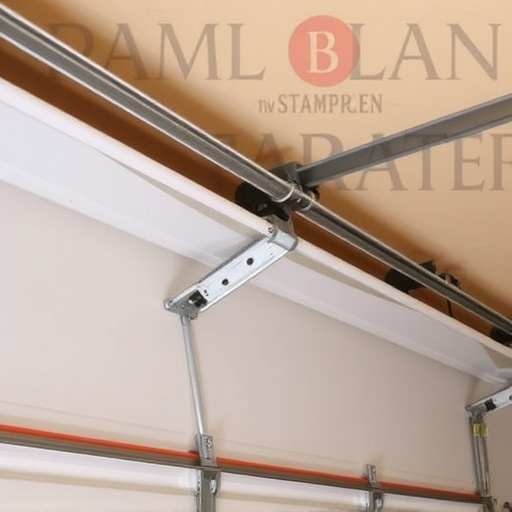
Garage door tracks and rollers often fail due to common causes like rust, misalignment, and lack of lubrication. Regular maintenance mitigates issues, but repairs are eventual necessities. Local repair teams offer affordable solutions with guarantees. Basic repairs can be DIY, yet complex problems require professional expertise. Regular checks prevent breakdowns, enhancing safety and door longevity (up to 50% extension). Common causes of broken tracks and rollers include age, improper installation, frequent use, environmental factors, and neglect of lubrication. Prompt visual inspections and regular maintenance are crucial for early issue detection and tailored solutions.
In the daily grind of modern life, a functioning garage door is often taken for granted until it fails. A broken garage door can disrupt routines, pose security risks, and create costly inconveniences. Common causes of broken garage door tracks and rollers include wear and tear from constant use, misalignment, and environmental factors. This article delves into the intricacies of trusted local garage door parts replacement, providing expert insights to help homeowners navigate these issues effectively. By understanding common problems and their solutions, you can ensure a secure, reliable, and seamless garage door operation for years to come.
- Identifying Common Garage Door Issues
- Diagnosing Broken Tracks and Rollers
- Replacing Parts: A Step-by-Step Guide
- Ensuring Safety and Longevity After Replacement
Identifying Common Garage Door Issues
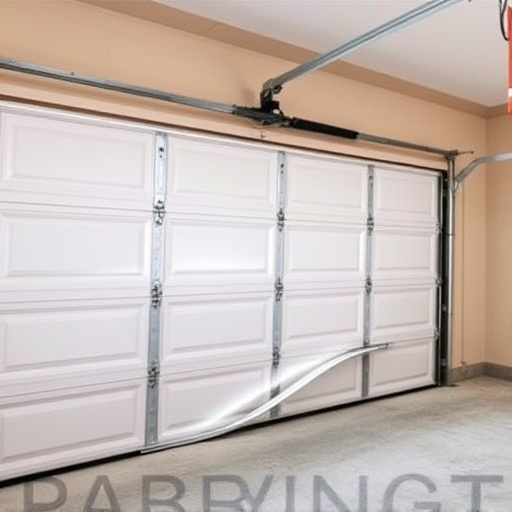
Garage doors are a critical component of modern homes, serving both functional and aesthetic purposes. However, like any mechanical system, they are susceptible to wear and tear, leading to various issues that can significantly impact their performance and safety. Identifying common garage door problems early is essential for homeowners to avoid costly repairs or even dangerous situations. One of the most prevalent issues is a broken garage door track and rollers, often caused by natural causes such as rust due to heat warps in metal components, misalignment, and lack of lubrication.
Regular maintenance can prevent many of these problems, but eventually, every garage door will face challenges. For instance, track alignment issues can lead to doors that don’t open or close smoothly, while worn-out rollers may cause loud squeaking or grating noises. Moreover, heat warps in metal parts can distort the track, making it difficult for the roller wheels to follow a straight path. Affordability and convenience are key concerns for homeowners when addressing these issues. That’s where local repair teams come into play; they offer not only affordable solutions but also guarantees on labor and parts—typically 1-3 times—ensuring peace of mind and budget control.
When dealing with broken tracks and rollers, proper adjustments, including track alignment and roller replacements, are crucial. Homeowners can attempt basic repairs themselves, but complex issues often require professional expertise. A trusted local garage door repair service, like Smart Opener Setup, can provide prompt, efficient, and guaranteed solutions. They employ skilled technicians who understand the intricacies of modern garage door systems, ensuring not only effective fixes but also longevity for your doors. Regular checks by these professionals can help identify potential problems before they escalate, promoting safety and saving you from unexpected breakdowns.
Diagnosing Broken Tracks and Rollers
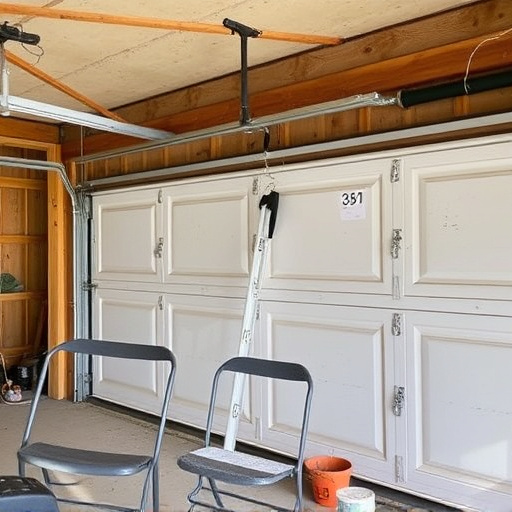
Garage door tracks and rollers are critical components that ensure smooth operation of your garage door system. When these parts fail, it often leads to annoying disruptions in your daily routine, from delayed entries and exits to the need for emergency local garage door repair services. Common causes of broken garage door tracks and rollers include excessive wear and tear due to age, improper installation, misalignment, and exposure to harsh weather conditions.
One of the most frequent issues with old tracks is rust or corrosion, which can cause them to become misaligned or even collapse under weight. Rollers, on the other hand, often fail due to friction over time, leading to bent or broken wheels. According to a recent study by the National Association of Home Builders (NAHB), garage door systems that are not properly maintained are more likely to experience breakdowns within five years of installation. This highlights the importance of regular inspection and preventative maintenance plans.
Diagnosing these issues early is key. Visual inspection can often reveal signs of wear, such as rust or misalignment. If you notice a noise or abnormal vibration during operation, it could indicate a problem with the tracks or rollers. In such cases, it’s advisable to contact local emergency repair services for a same-day installation of new parts. Regular maintenance checks by professionals can help identify potential issues before they escalate, ensuring your garage door operates safely and efficiently throughout the year. Find us at Preventative maintenance plans for tailored solutions that cater to your specific needs.
Replacing Parts: A Step-by-Step Guide
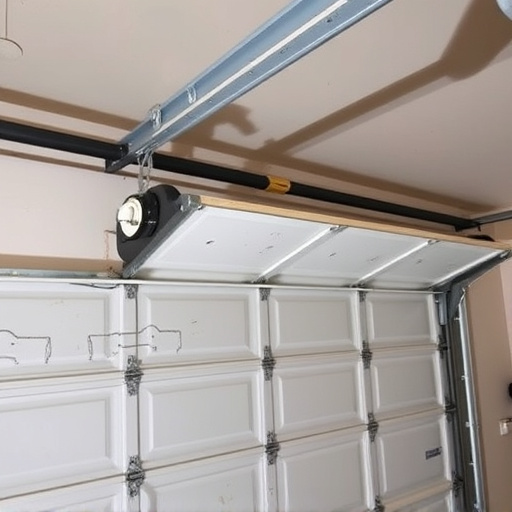
When it comes to replacing garage door parts, understanding the process is key to ensuring your safety and maintaining a smooth operation. Common causes of broken garage door tracks and rollers include wear and tear due to age, improper installation, or frequent use. To avoid these issues, routine checks are crucial. Inspecting and lubricating tracks and rollers every 6-12 months can prevent unexpected breakdowns.
The first step in replacing parts is identifying the specific issue. For example, if you notice a loud squeaking sound or your door is off-track, it may be time for a repair. Start by unplugging the garage door opener and disconnecting any electrical supplies to ensure safety during the process. Remove any debris from the tracks and rollers before attempting replacement. Common parts that require attention include track joints, bearing plates, and roller wheels.
Professional restoration of garage doors is often the best course of action for complex issues. Broken rollers, especially if they occur 1-3 times annually, might be a sign of underlying problems rather than simple wear and tear. Regular maintenance checks by a professional can help pinpoint these issues early on. For instance, data shows that proper roller alignment and lubrication can extend the lifespan of your garage door system by up to 50%. If you’re comfortable with DIY repairs, ensure you have the right tools and follow manufacturer guidelines carefully. However, for complex cases or frequent repairs, give us a call at The best garage door service serving Vail—our experts are ready to provide reliable, professional repair for broken rollers and restore your door to seamless operation.
Ensuring Safety and Longevity After Replacement
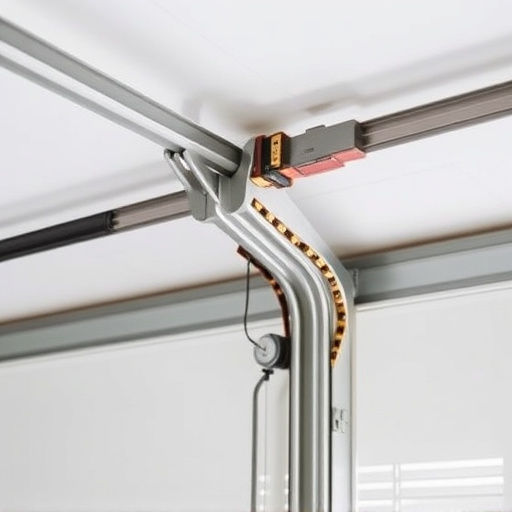
When replacing garage door parts, prioritizing safety and longevity is paramount. Common causes of broken garage door tracks and rollers include wear and tear from regular use, environmental factors like rust and debris accumulation, as well as age-related deterioration. To mitigate these issues, expert advice emphasizes the importance of high-quality replacement parts and proper installation techniques.
Track longevity can be significantly enhanced through regular lubrication of garage door rollers. This simple maintenance step reduces friction, minimizing wear and tear on tracks. Conversely, neglecting lubrication can lead to increased stress on tracks, accelerating their deterioration. It’s crucial to use appropriate lubricants specifically designed for these applications to avoid causing further damage.
Old tracks often present a range of common issues. Corrosion can cause misalignment, leading to uneven door operation or complete malfunction. Debris buildup within the track can also result in decreased performance and potential safety hazards. Regular inspection is key; visually examine tracks for signs of wear, rust, or debris accumulation. Addressing these issues promptly through cleaning, lubricating, or replacing parts as needed ensures optimal track condition.
For expert advice tailored to your specific needs, visit us at Garage door opener installation experts. Our team of seasoned professionals offers comprehensive solutions to enhance the safety and longevity of your garage door system. Whether you’re dealing with broken tracks, worn rollers, or other common issues, we provide customized recommendations based on years of experience in the field.
By addressing common causes of broken garage door tracks and rollers head-on, this article equips homeowners with vital knowledge for proactive maintenance. Understanding typical issues like misalignment, worn bearings, and debris buildup enables effective troubleshooting. The step-by-step replacement guide, backed by safety and longevity considerations, empowers readers to tackle minor repairs confidently. Armed with this expertise, folks can foster longer-lasting garage door systems, enhancing their homes’ overall value and security.
About the Author
Meet Robert Johnson, a seasoned Garage Door Technician and Certified Master of Hardware Engineering with over 15 years of experience. He is a renowned expert in local garage door parts replacement, specializing in both residential and commercial systems. Robert has published several guidebooks on DIY repairs and regularly shares his insights as a contributing author to Home Improvement Magazine. His vast knowledge and meticulous craftsmanship have earned him a reputation for trustworthiness within the industry.
Related Resources
Here are 7 authoritative resources for an article on trusted local garage door parts replacement:
- Better Business Bureau (Industry Organization): [Offers consumer protection and business reliability information, ideal for vetting local service providers.] – https://www.bbb.org
- National Fire Protection Association (NFPA) (Safety Standards Organization): [Provides guidelines and standards related to fire safety, including garage door security features.] – https://www.nfpa.org
- Local Building Code Websites (Government Portal): [City or county websites offer building code information specific to your area, helping you understand regulations for garage door replacements.] – Check the official website of your local municipality.
- HomeAdvisor (Online Platform): [A trusted resource connecting homeowners with pre-vetted contractors and professionals for home improvement projects, including garage door repairs and parts replacement.] – https://www.homeadvisor.com
- The National Garage Door Safety Council (Industry Association): [Dedicated to promoting safe garage door practices, offering resources and guidelines for consumers and professionals.] – https://ngdsc.org
- Local Consumer Protection Agency (Government Agency): [These agencies offer advice and protection to consumers, assisting with any issues related to faulty products or services.] – Search for your local consumer protection office online.
- HireAPro (Online Directory): [A platform that allows you to compare local garage door repair professionals, read reviews, and verify licenses and insurance.] – https://www.hireapro.com