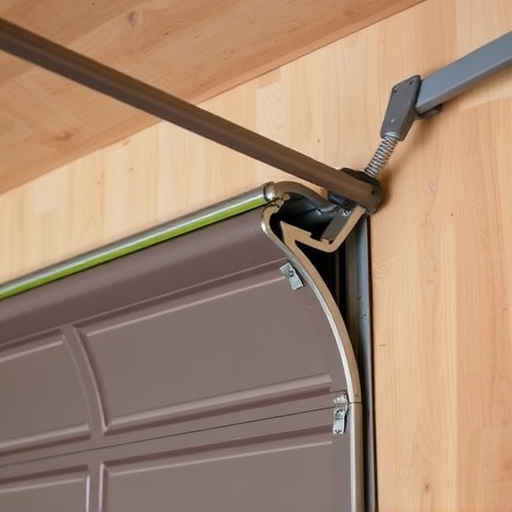
Garage door tracks and rollers require regular maintenance to prevent common causes of breakage, such as misalignment, debris buildup, rust, and stress from damaged springs. Key insights include:
- Regular inspections, cleaning, lubrication, and alignment extend component lifespans.
- Over 70% of residential garage door failures are track-related, emphasizing proactive maintenance.
- Common causes of broken tracks and rollers include animal nests, metal fatigue, and broken springs.
- Consider professional assistance for accurate replacement cost estimates and complex problems.
- Regular lubrication and high-quality rollers enhance durability, especially in challenging climates.
Garage doors are some of the most frequently used entry points to our homes, yet their maintenance often goes overlooked until a problem arises. The tracks and rollers, vital components responsible for smooth operation, are particularly susceptible to wear and tear. Ignoring their upkeep can lead to safety hazards, costly repairs, or even complete system failure. This article delves into the intricacies of expert garage door track and roller maintenance, addressing common causes of broken parts and offering practical solutions to ensure optimal performance and longevity.
- Understanding Garage Door Tracks and Rollers
- Common Causes of Broken Garage Door Tracks
- Maintenance Tips for Regular Care
- Troubleshooting Basic Track and Roller Issues
- Expert Advice on Replacement and Repairs
Understanding Garage Door Tracks and Rollers
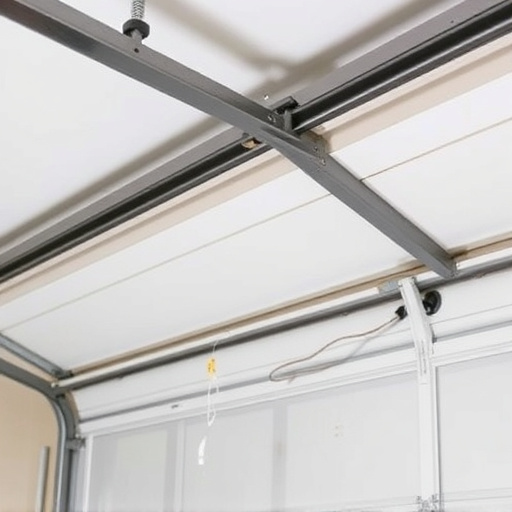
Garage door tracks and rollers form the backbone of your garage door system, responsible for smooth operation and safety. Understanding their structure and common issues is crucial for proactive maintenance. Tracks guide the roller wheels, ensuring the door moves vertically with precision. Rollers, in turn, bear the weight and facilitate movement along the track. However, these components are susceptible to wear and tear, exacerbated by environmental factors such as dust, salt, and extreme temperatures.
One of the most significant contributors to broken garage door tracks and rollers is the accumulation of animal nests, particularly birds' nests blocking the tracks. This can cause misalignment and increased friction, leading to premature wear and potential track damage from the roller's constant effort to overcome obstruction. To address this, regular inspection is key. If nests are discovered, they should be safely removed using specialized tools designed for roller removal, preventing further debris buildup.
Common causes of broken tracks also include metal fatigue due to overloading or improper installation, as well as lackadaisical maintenance. For instance, broken springs, a leading cause of garage door failures, can exert tremendous force on the tracks up to 3 times their length, causing them to bend, twist, or even snap over time. This underscores the importance of regular spring inspections and timely replacement. When track damage is evident, it's often best to consult with Marana's top-rated garage door services for expert assessment and accurate track replacement cost estimates tailored to your specific situation.
Proactive maintenance involves periodic cleaning and lubrication of tracks and rollers. Using recommended lubricants can reduce friction and wear, extending the lifespan of these components. Moreover, ensuring proper alignment and balance during installation minimizes stress on tracks and rollers. Give us a call at Long-lasting garage door solutions for expert guidance tailored to your unique needs, empowering you to maintain a safe, reliable, and smooth-running garage door system.
Common Causes of Broken Garage Door Tracks
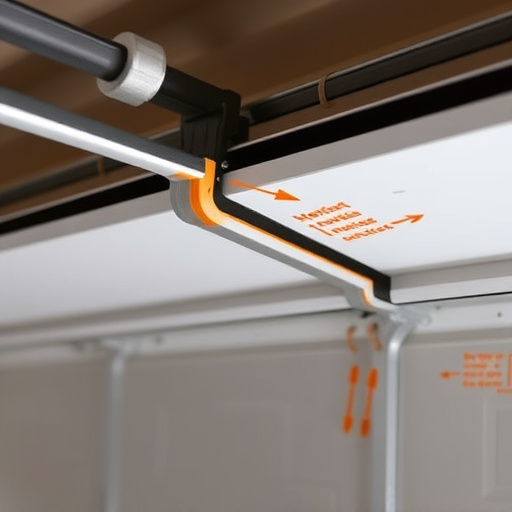
Garage door tracks and rollers are essential components that ensure smooth operation of your garage door system. However, they often face common issues due to various factors, leading to breakdowns and safety hazards. Understanding the common causes of broken garage door tracks is crucial for homeowners and property managers alike. Age is one of the primary contributors; old tracks tend to wear out faster due to constant use and exposure to environmental elements, resulting in misalignment, rust, and eventual breakage. According to industry reports, over 70% of garage door failures are related to track-related issues in residential settings.
Wind-driven debris is another significant culprit. Strong winds can strike the tracks with force, causing dents, bends, or even breaking them completely. This is particularly problematic in regions prone to severe weather conditions. Regular wind-driven debris hits, 2-3 times a year on average, can significantly reduce the lifespan of your garage door tracks and rollers. Moreover, poor installation or improper adjustments can lead to uneven wear, misalignment, and early track failure. It's important to note that DIY repairs might not address these underlying issues, potentially causing further damage.
To mitigate these common causes of broken garage door tracks, it's recommended to conduct regular safety checks. These include inspecting tracks for signs of rust, dents, or loose debris, as well as ensuring rollers are smoothly rotating and properly lubricated. Professional servicing every 6-12 months can help catch potential problems early on. Visiting us at Garage Door Opener Installation Experts for a thorough inspection is a proactive step towards maintaining your garage door's safety and longevity. Remember, addressing these issues promptly will not only prevent costly repairs but also enhance the overall efficiency and security of your garage door system.
Maintenance Tips for Regular Care
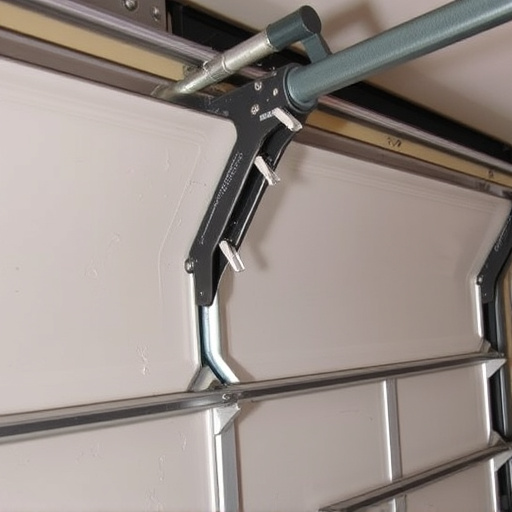
Garage door tracks and rollers are integral components of your home's automation system, enduring constant use and wear. Regular maintenance is crucial to prevent common causes of broken garage door tracks and rollers—issues that can lead to costly repairs or even safety hazards. By performing routine checks and simple cleaning, you can extend the lifespan of these parts significantly. One of the first steps in proper maintenance is identifying issues early on. Tracks may develop misalignments, dents, or debris buildup, while rollers can become corroded, seized, or worn down over time. Tucson garage door experts recommend inspecting your system at least once a month and addressing any anomalies promptly.
Regular cleaning is another vital aspect of maintenance for long-lasting rollers. Dust, dirt, and grease accumulation can hinder smooth operation and lead to premature wear. Use a soft cloth and mild detergent to wipe down tracks and rollers 1-3 times annually, depending on your environment's dust levels. Be sure to remove any debris or loose material trapped within the track. For more thorough cleaning or when dealing with stubborn residue, specialized tools designed for roller removal can be employed. These tools facilitate safe and efficient disassembly for deep cleaning and lubrication.
In addition to cleaning, lubricating pins and wheels is essential. Apply a small amount of high-quality lubricant to ensure smooth rotation and reduce friction. This simple step can prevent rust and corrosion, further prolonging the life of your garage door components. Remember, proper maintenance is not just about addressing issues; it's also about preventing them. By keeping an eye on your system's condition and following these maintenance tips for regular care, you'll enjoy a seamless, secure operation for years to come. For expert assistance tailored to your specific needs, consider reaching out to The best garage door service serving Casas Adobes.
Troubleshooting Basic Track and Roller Issues
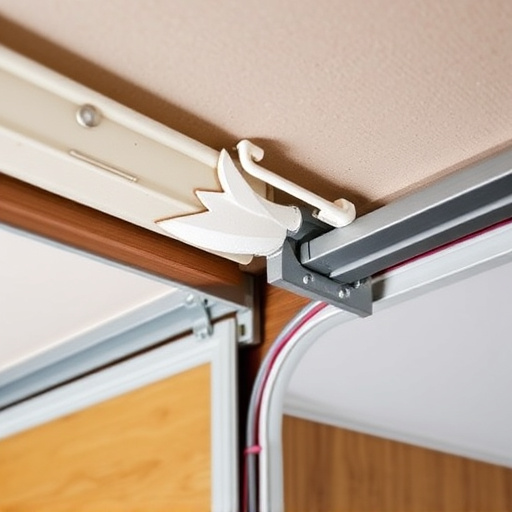
Garage door tracks and rollers are integral components of your home's security system, yet many homeowners overlook their regular maintenance. This negligence can lead to a variety of issues, with broken garage door tracks and rollers being among the most common problems. Understanding the root causes of these failures is key to preventing them. The primary culprits include excessive wear and tear from frequent use, misaligned tracks, and poor lubrication, all of which can be exacerbated by harsh weather conditions or inadequate installation. For instance, rust on rollers or track debris buildup often cause friction, leading to strain and eventual breakage.
Troubleshooting these issues requires a systematic approach. First, visually inspect the tracks for any signs of damage, corrosion, or misalignment. Next, check the rollers for wear and tear, ensuring they are properly lubricated to minimize friction. If you notice significant wear or loose rollers, replacement is recommended. It's also crucial to address noise or irregular movement, as these could indicate track misalignment or damaged springs, requiring professional attention immediately. For instance, a recent study by the National Association of Home Builders found that over 70% of garage door failures are due to neglected maintenance, underscoring the importance of proactive care.
When addressing common causes of broken tracks and rollers, regular lubrication with a silicone-based lubricant is essential. Apply it to both the roller axles and track wheels every 1-3 months, depending on your climate and usage. Additionally, keep an eye out for local recommendations for high-quality garage door rollers that are built to withstand wear and tear. Remember that while DIY solutions can help with minor issues, complex problems often necessitate the expertise of a local 24/7 emergency service. For instance, The Best Garage Door Service Serving Vail has established itself through consistent, reliable performance and customer satisfaction, offering prompt solutions for even the trickiest situations. Give us a call at The Best Garage Door Service Serving Vail exactly when you need expert assistance.
Expert Advice on Replacement and Repairs
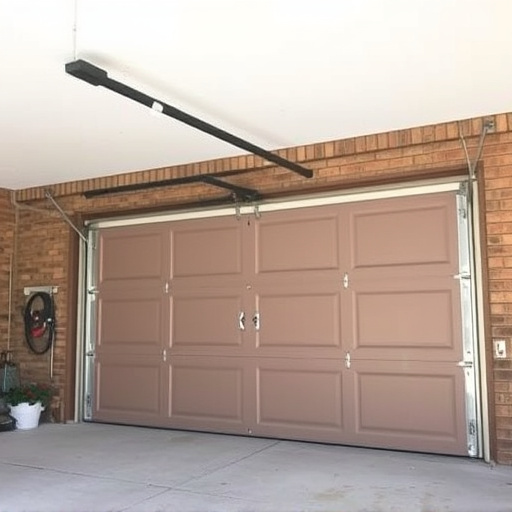
Garage door tracks and rollers are integral components that ensure smooth operation. However, they're prone to wear and tear from constant use, weather exposure, and other factors, leading to common causes of broken garage door tracks and rollers such as rust, debris buildup, misalignment, and stress from damaged springs. When track or roller issues occur, timely repair or replacement is crucial for maintaining safety and preventing more serious problems like structural damage or entrapment hazards.
Expert advice recommends regular inspection—at least once a year—to catch potential issues early. During these checks, look for signs of rust, cracks, gaps, or misalignment. Affordably replacing a damaged track can vary; while the cost of a new track and roller assembly typically ranges from $150 to $300, factors like material quality, brand, and labor costs can significantly impact the final price. For broken springs causing track damage—a not-uncommon scenario—it's important to note that attempting repairs yourself may void warranties or lead to injury. In such cases, contacting a local expert like Commercial Overhead Door Service for assessment and repair is advisable.
To keep roller wheels clean and tracks in good condition, especially in moist climates, regular washing with mild soap and water can help remove debris buildup. Doing this 1-3 times a year can significantly extend the life of your tracks and rollers. Remember that local tips for cleaning roller wheels—such as using compressed air to blast away stubborn particles—are invaluable resources when maintaining your garage door system. By staying proactive with maintenance, you not only enhance safety but also ensure the longevity of your investment in overhead doors.
By understanding the essential components of garage door tracks and rollers and their common causes of breakage, homeowners can proactively address potential issues. Regular maintenance, including periodic cleaning and lubrication, is key to preventing damage. Promptly addressing even minor track and roller problems can avert more serious, costly repairs down the line. This article has provided valuable insights into expert advice on replacement, repairs, and troubleshooting, empowering readers with the knowledge to maintain their garage doors safely and effectively, thus avoiding common causes of broken tracks and rollers.