
Garage doors are integral to our daily lives, providing secure access to our homes and businesses. However, they can be prone to issues, with broken garage door tracks and rollers being a common problem that requires immediate attention. Understanding the underlying causes—such as wear and tear from frequent use, misalignment, or poor installation—is crucial for effective troubleshooting. In this article, we'll guide you through the steps to address these issues promptly, ensuring your garage door functions smoothly again. Our expert advice will empower you to diagnose and fix common problems, offering a practical solution for quick and efficient garage door repair.
- Assess the Broken Garage Door: Quick Troubleshooting Steps
- Common Causes: Understanding Track and Roller Failures
- Effective Solutions: Repair or Replace for Longevity
Assess the Broken Garage Door: Quick Troubleshooting Steps
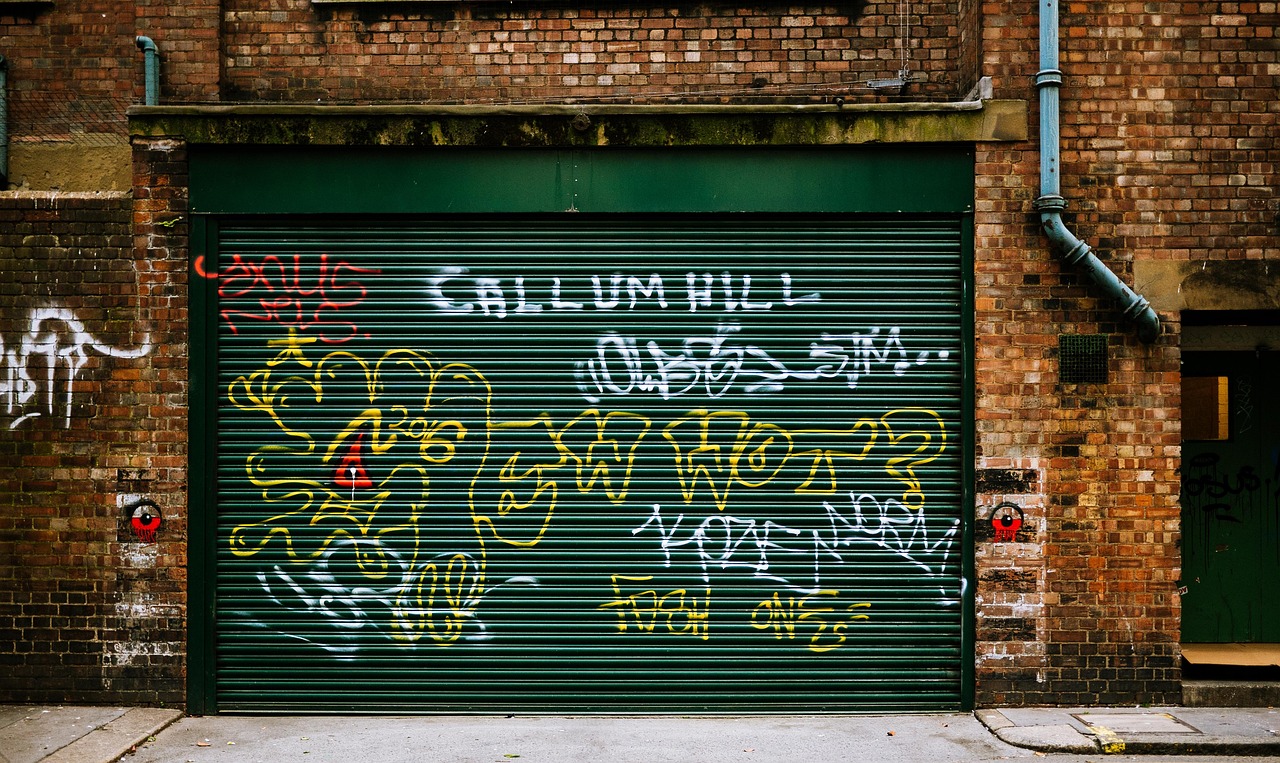
A broken garage door can disrupt your daily routine and pose potential safety risks. Assessing the issue promptly is crucial to ensure efficient troubleshooting. This initial evaluation involves examining the common causes of garage door problems, primarily focusing on track and roller health. Over time, tracks accumulate wear and tear, leading to misalignment or even structural damage if left unattended. Similarly, rollers require regular care; lubricating them can prevent unnecessary friction and extend their lifespan.
Start by visually inspecting the tracks for any visible signs of damage, corrosion, or misalignment. Look out for loose roller bearings or squeaking sounds indicating worn-out rollers. These initial checks provide valuable insights into the extent of the problem. If you suspect significant wear and tear, it's best to consult a professional who can offer a detailed assessment of track health. They will be equipped to identify subtle issues that may require immediate attention to prevent more severe breakdowns.
Regular maintenance, such as lubricating rollers and cleaning tracks, is essential in mitigating common causes of garage door failures. Many affordable local garage door care services offer preventive plans, ensuring your door stays in top condition. By addressing these tasks every 1-3 months, you can significantly reduce the risk of unexpected breakdowns, saving time and money in the long run.
Common Causes: Understanding Track and Roller Failures

Garage door tracks and rollers are among the most critical components of your overhead door system, supporting its smooth operation. Yet, these parts are also susceptible to wear and tear, leading to common causes of broken garage door tracks and rollers. Understanding these issues is essential for homeowners and business owners alike, as they can significantly impact the safety and functionality of your garage door.
One of the primary causes of track and roller failure is excessive weight and tension. Over time, the accumulation of debris, lack of lubrication, or improper balance can lead to a garage door exceeding its designed weight capacity. This stress can cause the tracks to bend, twist, or deform, resulting in misalignment and roller damage. For instance, a heavy door without proper counterbalance can put excessive strain on the tracks, leading to premature wear and tear. Regular maintenance, including cleaning and lubricating tracks, is crucial to mitigate these issues.
Local roller replacement services and professional assessments of track health are vital in addressing these common causes. Oro Valley's trusted garage door pros at The best garage door service serving Oro Valley can provide expert insights and timely repairs. They recommend scheduling a professional assessment every 1-3 years, depending on door usage and environmental factors, to ensure tracks remain in optimal condition. This proactive approach can prevent unexpected failures, ensuring your garage door operates smoothly and safely for years to come.
Effective Solutions: Repair or Replace for Longevity

When dealing with a broken garage door, deciding between repair or replacement is crucial for longevity. The common causes of broken garage door tracks and rollers often include rust, wear and tear from frequent use, misalignment, or poor installation. To determine the best course of action, start by conducting a professional assessment of track health. Look for signs of damage, corrosion, or misalignment that could indicate the need for repair or replacement.
Affordable local garage door care is accessible through routine maintenance and proactive measures. Cleaning roller wheels 1-3 times throughout the year can prevent build-up and ensure smooth operation. A simple solution of water and mild soap is effective in removing dust, dirt, and debris that may cause friction and lead to premature wear. Regular cleaning not only extends the life of your garage door but also improves its overall performance.
If damage is extensive or track alignment is severely compromised, replacement may be necessary. Investing in high-quality tracks and rollers can significantly enhance the longevity and reliability of your garage door system. Data shows that timely repairs and replacements can reduce the risk of more costly and frequent breakdowns, saving you time and money in the long run.
For expert guidance tailored to your specific needs, consider visiting us at 24/7 garage door support team. Our local professionals offer affordable solutions and valuable local tips to ensure your garage door operates safely and smoothly for years to come.
By understanding the common causes of broken garage door tracks and rollers, such as misalignment, debris accumulation, and wear and tear, homeowners can effectively assess and address issues promptly. The article has equipped readers with quick troubleshooting steps and highlighted the importance of considering either repair or replacement for long-lasting solutions. Armed with this knowledge, homeowners can not only ensure immediate assistance for broken garage doors but also prevent future malfunctions, enhancing safety and property value.
A broken garage door track or roller can disrupt daily life and pose safety risks. Assess issues promptly by examining tracks for damage, corrosion, misalignment, and roller condition (squeaking or loose bearings). Regular maintenance, like lubricating rollers and cleaning tracks every 1-3 months, prevents common causes of failure: wear, debris buildup, and weight overload. Professional track health assessments every 1-3 years are recommended. Timely repairs reduce costly breakdowns and ensure a safe, smooth garage door operation for years to come.