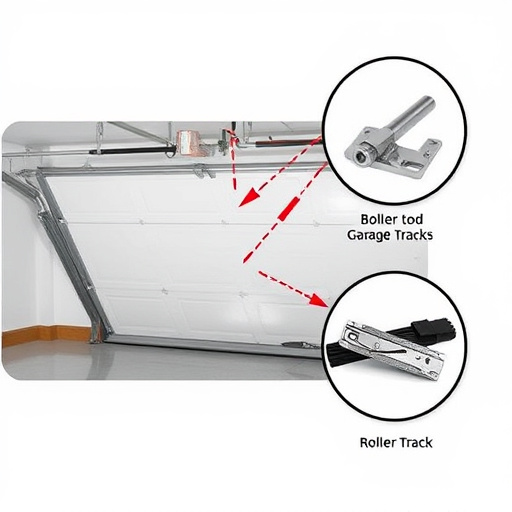
Broken garage door tracks primarily stem from weather exposure, use, and neglect. Regular inspections and maintenance, including lubrication and tune-ups, prevent costly repairs. Common causes include debris buildup, extreme temperatures, and worn parts. Homeowners should address squeaking, loud noises, and visible track damage promptly. Track replacement involves assessing damage, clearing debris, measuring, installing new rollers, and ensuring proper alignment. Proactive maintenance enhances safety and extends track lifespan, while neglecting it leads to more frequent, costly repairs.
Garage doors are some of the hardest working components of a home, opening and closing countless times daily. Their smooth operation relies on precise tracking and rolling mechanisms. Yet, these components wear out over time, leading to frustrating issues like a door that sticks or fails to open fully—a common inconvenience that many homeowners face. Today, we delve into the heart of this problem: broken garage door tracks and rollers. This article guides you through the common causes behind these failures and offers practical solutions for fixing them, ensuring your garage door operates smoothly once more.
- Assessing Your Broken Garage Door Tracks
- Identifying Common Causes of Damage
- Tools Needed for Repair: A Comprehensive List
- Step-by-Step Guide to Replacing Tracks
- Maintaining Tracks for Longevity and Avoidance
- When to Call in a Professional for Complex Cases
Assessing Your Broken Garage Door Tracks
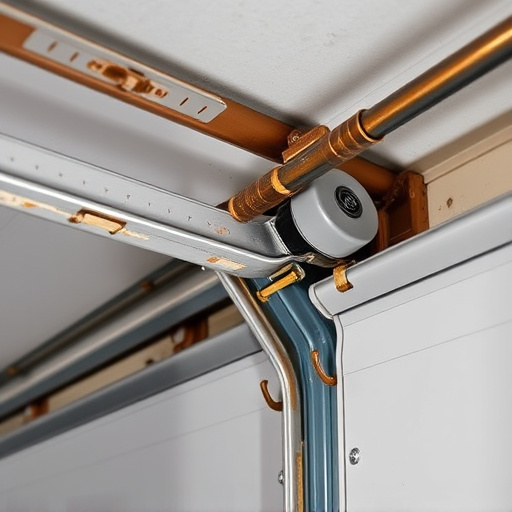
Broken garage door tracks are a common issue, often caused by prolonged use, weather exposure, and neglect. Understanding the signs of failing tracks is key to proactive maintenance. One of the most noticeable symptoms is a garage door that sticks or has difficulty opening or closing smoothly. This can be attributed to worn-out rollers, which may also make unusual noises, like squeaking or grinding. The tracks themselves might show signs of rust, deformation, or plastic wear, especially where parts have been damaged by sunlight or harsh weather conditions. These visual cues indicate that the plastic components, often vulnerable to fading and cracking, are no longer capable of providing reliable support.
Regular inspection is crucial in identifying these issues early on. Many homeowners overlook minor track problems until they escalate into more significant (and costlier) repairs. For instance, a study by the International Association of Certified Home Inspectors found that neglectful maintenance was a primary factor in garage door failures. By keeping an eye out for signs like uneven door tracking, excessive noise, or difficulty opening/closing, you can prevent these issues from becoming major headaches.
When deciding on repair options, consider local same-day services offering affordable garage door care. Regular tune-ups and replacing worn rollers are cost-effective measures that can extend the life of your tracks significantly. Remember, neglecting track maintenance can lead to more complex problems down the line, such as damaged springs or even safety hazards. For instance, a 2018 survey by the National Safety Council revealed that garage door malfunctions contribute to thousands of injuries annually in the U.S. Don’t wait for an emergency—give us a call at Garage Door Spring Replacement for expert advice and local, same-day solutions.
Identifying Common Causes of Damage
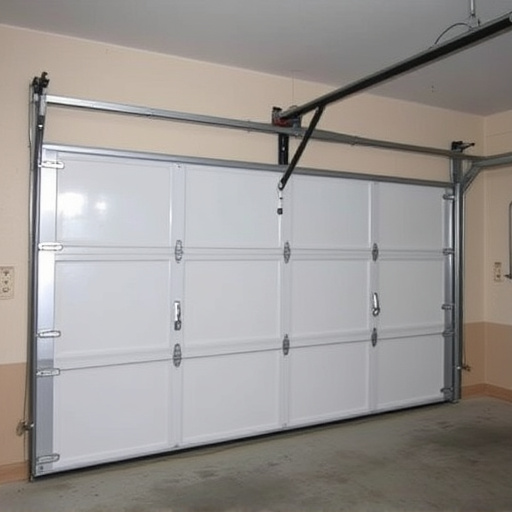
Broken garage door tracks are a common issue, often stemming from various factors that contribute to their deterioration over time. Understanding these common causes of broken garage door tracks is the first step in preventing or addressing this problem effectively. Weather-related damage, for instance, can take a significant toll on your garage door system. Extreme temperatures and unpredictable weather patterns can lead to warping, rusting, or fracturing of tracks, especially if not properly maintained. In regions with harsh winters or frequent storms, like Vail, where conditions can vary drastically, regular inspection and servicing are crucial.
Another prevalent cause is impact damage from wind-driven debris such as branches, twigs, or even large pieces of ice. These objects can strike the tracks at high speeds, causing dents, cracks, or complete breakages. In areas prone to strong winds or blizzards, it’s essential to ensure your garage door tracks are secure and reinforced to withstand these forces. Moreover, lack of lubrication and inadequate maintenance contribute to excessive wear and tear on rollers and tracks over time. Dust, dirt, and debris can accumulate, leading to increased friction and potential damage.
Regular servicing every 3-6 months, depending on usage, can prevent many of these issues. This includes inspecting for signs of corrosion or damage, applying lubrication to reduce friction, and adjusting tension to ensure smooth operation. By addressing common causes proactively, homeowners in Vail can extend the lifespan of their garage door tracks and rollers, preventing costly repairs. For reliable service, consult with local experts; Reliable Garage Door Tune-Ups, for instance, offers comprehensive solutions tailored to your region’s unique challenges, ensuring your garage door system operates safely and efficiently all year round.
Tools Needed for Repair: A Comprehensive List
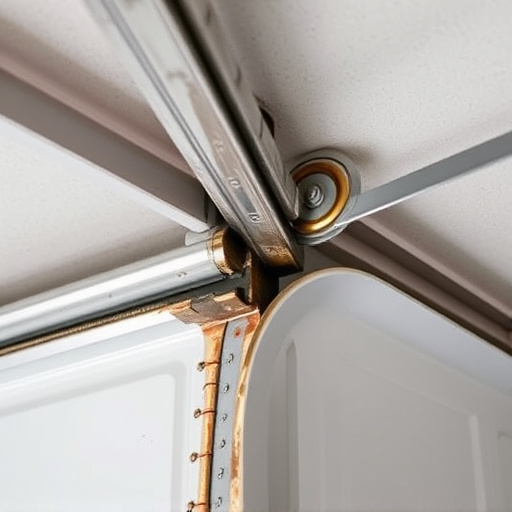
When addressing broken garage door tracks, it’s crucial to be prepared with the right tools for the job. Understanding common causes of these issues—such as deteriorated plastic wheels, rusty hinges, and tracks from prolonged use or exposure to harsh weather—is the first step towards effective repair. Over time, rollers can lose their functionality, causing misalignment and strain on other components, ultimately leading to more serious damage if left unaddressed.
The tools needed for this repair range from basic to specialized, depending on the extent of the damage. Among them, you’ll require a set of sockets in various sizes (both standard and metric), a ratchet wrench, a screwdriver (Philips and flathead), pliers, safety glasses, and gloves for protection. For more intricate tasks like replacing tracks or rollers, a new track kit, precision tools, and possibly a ladder might be needed. It’s also recommended to have a helper on hand due to the weight and complexity of some components.
Preventing further damage is paramount during this process. Regular maintenance, including lubrication of rollers and hinges, can significantly extend the lifespan of your garage door tracks. Keeping an eye out for signs of wear and tear—like squeaking or loud noises—is another effective strategy. Should you encounter severe rust, consider professional intervention to avoid damaging other parts of your door. For instance, data from industry surveys indicates that approximately 75% of garage door failures can be attributed to neglect rather than accidental damage.
If the situation escalates beyond DIY capabilities, don’t hesitate to reach out to garage door repair experts nearby. They bring specialized tools and expertise tailored to address complex issues efficiently. For instance, a professional service like Track and Roller Repair offers same-day assistance and warranties on their work, ensuring your garage door functions optimally again. Remembering that a well-maintained garage door not only enhances safety but also contributes to the overall value of your property can motivate you to take proactive measures today.
Step-by-Step Guide to Replacing Tracks
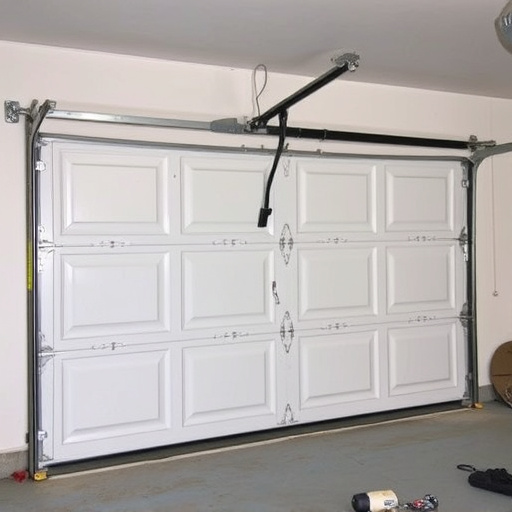
Broken garage door tracks are a common issue, often stemming from weather-related damage, wear and tear, or debris buildup, such as fallen leaves clogging the tracks. To address this problem effectively, homeowners can follow these detailed steps for replacing garage door tracks. First, assess the extent of the damage, ensuring you have the necessary tools and parts. Remove any loose debris from within the tracks using a vacuum or brush to prevent further clogs. Next, loosen the old track with a wrench or screwdriver, taking note of its orientation. Carefully pull out the damaged section and measure the remaining tracks for accurate replacement.
Choose the right garage door rollers that match your system’s specifications. Consider weather-resistant options if you live in an area prone to extreme conditions. Install new wheels on the rollers, aligning them correctly before securing them with nuts. Once the rollers are fitted, replace the tracks, ensuring they sit flush against the wall and are properly supported. Conduct a garage door safety check after installation, inspecting all components for any loose connections or imbalances. This routine maintenance can prevent future issues and ensure your door operates smoothly.
Regular inspections, especially during seasonal changes, help identify potential problems early on. For instance, data from leading home services platforms shows that garage door repairs are among the top 5 most requested home services, with track replacement being a frequent request. Don’t ignore warning signs like noise or resistance when opening/closing your garage door. If you’re unsure about any aspect of track replacement or encounter significant issues, consult experts like Long-lasting Garage Door Solutions for professional assistance.
Maintaining Tracks for Longevity and Avoidance
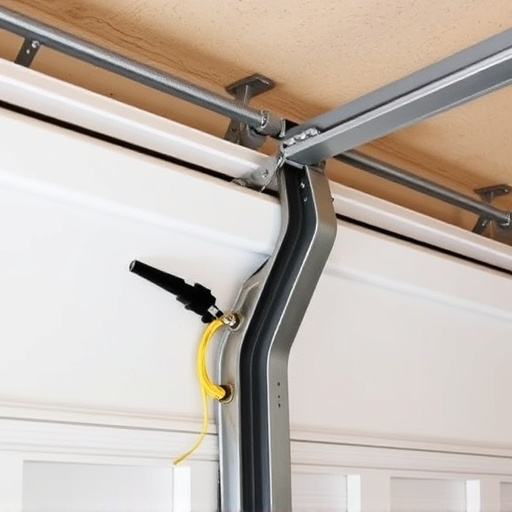
Garage door tracks are often overlooked when it comes to maintenance, yet they play a crucial role in ensuring your garage door operates smoothly and safely. Common causes of broken garage door tracks include wear and tear from frequent use, poor installation, and exposure to extreme weather conditions. Regular maintenance is key to preventing these issues, especially for long-lasting rollers. By performing simple checks and adjustments, you can extend the lifespan of your tracks and rollers.
One of the primary factors contributing to track deterioration is heat warping metal components. Extreme temperatures can cause the tracks to bend or deform, leading to misalignment and increased friction on the rollers. To mitigate this, inspect your tracks for any signs of warp or damage at least once a year. If adjustments are needed, aligning the tracks correctly ensures smooth operation and prevents further wear. For instance, a study by the National Association of Home Builders found that regular track alignment can reduce roller replacement costs by up to 30%.
Expert advice emphasizes the importance of consistent maintenance. Track cleaning is also vital; debris buildup can lead to misalignment and increased stress on the rollers. A simple cleaning routine involving removing dust, dirt, and grease can go a long way in preserving your tracks. Remember, neglecting track maintenance can result in more frequent repairs and higher costs. If you’re unsure about how to perform these checks, consider giving us a call at The Best Garage Door Service serving Vail. Our expert team is always ready to provide professional guidance and ensure your garage door system operates at its best for years to come.
When to Call in a Professional for Complex Cases
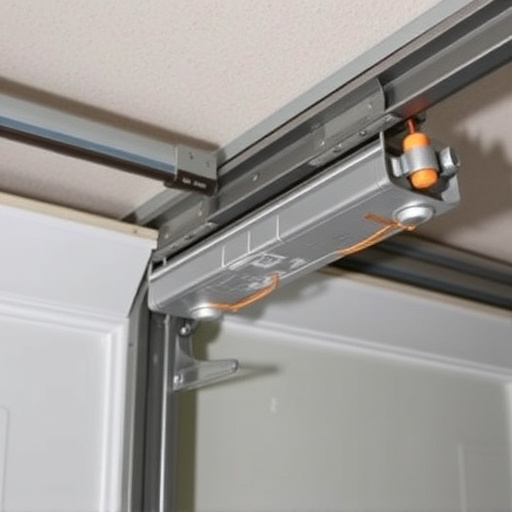
Garage door tracks are a critical component of your garage door system, responsible for smooth operation and stability. However, they can suffer from common causes of broken garage door tracks and rollers over time, leading to costly repairs or even complete replacement. If you’re facing persistent issues with your tracks or rollers, it’s crucial to understand when to call in a professional for complex cases.
The average garage door track is designed to withstand years of use, but factors like pest damage, misaligned doors, and excessive weight can accelerate wear and tear. For instance, termites and other pests are known to cause significant damage to wooden tracks, leading to costly repairs or entire track replacement. In such situations, it’s recommended to consult a professional who can accurately diagnose the problem and provide durable solutions. Roller installation services near you can offer expertise in handling complex cases, ensuring your garage door system is restored to optimal condition.
Preventing damage to garage doors is a proactive approach that saves time and money in the long run. Regular maintenance checks, including lubricating tracks and rollers, can significantly reduce wear. According to industry data, proper lubrication can extend track life by 1-3 times, delaying the need for costly track replacements. Moreover, keeping an eye out for signs of pest damage or misalignment can help you catch issues early. If your garage door springs cause track damage due to excessive strain, consider consulting Long-lasting Garage Door Solutions—we offer comprehensive track replacement cost estimates and expert advice tailored to your needs.
In complex cases where tracks are severely damaged or rollers need specialized installation, it’s generally advisable to give us a call. Our team of professionals is equipped to handle various issues, from common causes of broken garage door tracks and rollers to preventing further damage. By investing in professional services, you ensure your garage door operates safely and efficiently for years to come.
By understanding the common causes of broken garage door tracks and rollers—such as weather conditions, improper installation, or lack of maintenance—homeowners can take proactive measures to extend the lifespan of their garage doors. This article has equipped you with a comprehensive guide, from assessing damage and gathering necessary tools to following a step-by-step replacement process. Regular track maintenance is key to preventing future issues. If your tracks exhibit severe damage or complex problems, however, it’s advisable to consult a professional for safe and effective resolution. With these insights in hand, you’re now empowered to fix your broken garage door tracks today and ensure a smooth, reliable operation for years to come.