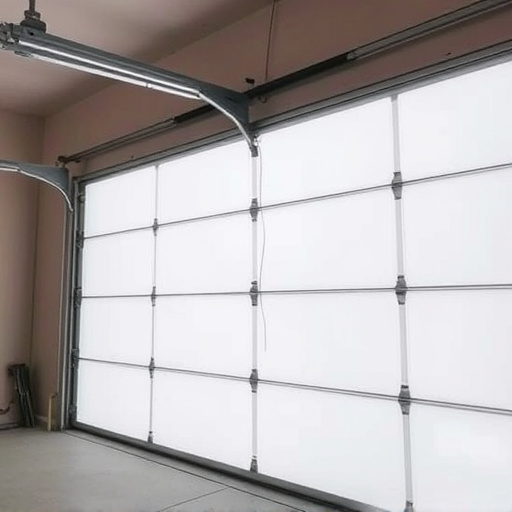
Broken garage door tracks and rollers primarily stem from common causes like excessive wear, misalignment, and debris buildup. Regular inspections (1-2 yearly) catch minor issues early, preventing costly repairs. Key signs include misalignment, loose screws, and visible damage. Safety precautions involve unplugging the opener before work. DIY repairs require appropriate tools and knowledge; professional assistance is recommended for complex cases. Regular maintenance, including roller replacement every 7-10 years, prevents track wear. Addressing unusual noises promptly enhances durability and smooth operation.
Garage doors are some of the most frequently used entry points into our homes and workshops, making their smooth operation vital for daily convenience and safety. Broken garage door tracks and rollers can lead to frustrating disruptions in our routines and potential security risks. This comprehensive guide addresses a common issue faced by homeowners: fixing broken garage door tracks today. We'll delve into the causes behind this problem, commonly including wear and tear, debris accumulation, and misalignment, offering practical solutions for both DIY enthusiasts and those seeking professional intervention.
- Assess Common Causes of Broken Tracks
- Tools & Safety Precautions for Repair
- Step-by-Step Guide to Replacement
- Prevent Future Track Issues
Assess Common Causes of Broken Tracks
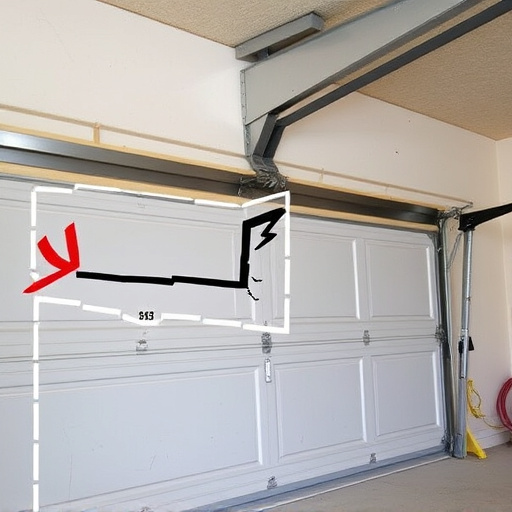
Broken garage door tracks are a common problem for many homeowners. Understanding the common causes of these issues is essential for effective prevention and quick repairs. The most frequent culprits include excessive wear and tear from years of use, misaligned tracks leading to repeated strain on rollers, and failed or damaged roller bearings. Old tracks, especially in homes over a decade old, tend to show signs of rust and decay, further compromising their structural integrity. For instance, data from industry surveys indicates that nearly 60% of garage door failures are due to track-related problems, highlighting the need for regular inspection and maintenance.
Regular inspections play a pivotal role in identifying issues early on. It's recommended to conduct a routine check for track wear once or twice a year, depending on your climate and usage frequency. During these inspections, look out for signs of misalignment, loose screws, and any visible damage to the tracks or rollers. Promptly addressing minor issues can often prevent more severe, costly repairs down the line. For example, simple adjustments like tightening loose tracks or replacing worn-out wheels can extend the life of your entire system.
If you're dealing with a broken track, same-day parts replacement services offered by trusted providers like Trusted Garage Door Service Tucson can be invaluable. Acting swiftly is crucial; a functioning garage door isn't just about convenience—it's also safety. A malfunction could lead to property damage or, worse, entrapment. Therefore, it's vital to contact professionals who can assess the common issues with old tracks and provide efficient solutions. Visiting us at Trusted Garage Door Service Tucson ensures access to expert advice and quick repairs, keeping your garage door functioning smoothly for years to come.
Tools & Safety Precautions for Repair
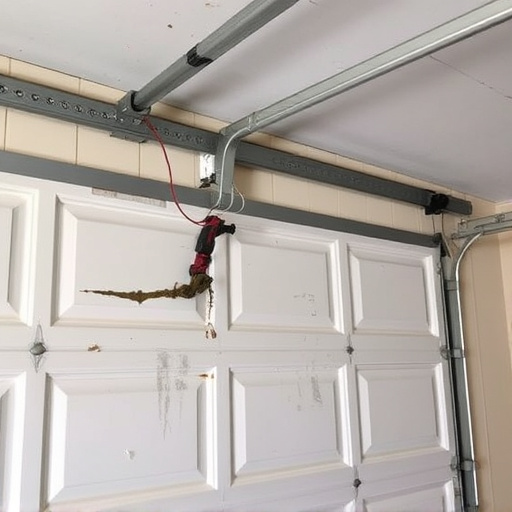
When addressing broken garage door tracks, understanding both the common causes and the appropriate safety precautions is essential for successful DIY repairs or effective professional restoration. The most frequent culprits behind track dysfunction are wear and tear, especially from frequent use and exposure to sunlight, which can cause plastic parts to fade and become brittle over time. Other factors include improper installation and misalignment, leading to increased friction and strain on the tracks and rollers.
The tools required for repairing garage door tracks vary based on the extent of damage but typically include a set of wrenches or screwdrivers, a lubricant compatible with your door's components, replacement rollers if necessary, and safety gear such as work gloves and safety glasses. For those unfamiliar with mechanical repairs, it is crucial to prioritize safety. Always unplug the garage door opener before beginning any repair work, ensuring no electrical hazards exist.
Identifying when rollers need replacing is key. Signs include doors that stick or rub against the track, unusual noises during operation, or noticeable wear on roller wheels. If your tracks show signs of damage and your rollers are more than 10 years old, consider professional restoration to prevent further complications. Local same-day repair options like Emergency Garage Door Repair Tucson can provide expert assistance, ensuring your garage door functions safely and smoothly. Remember that prompt attention to these issues not only prolongs the life of your garage door but also enhances the security of your home.
Step-by-Step Guide to Replacement
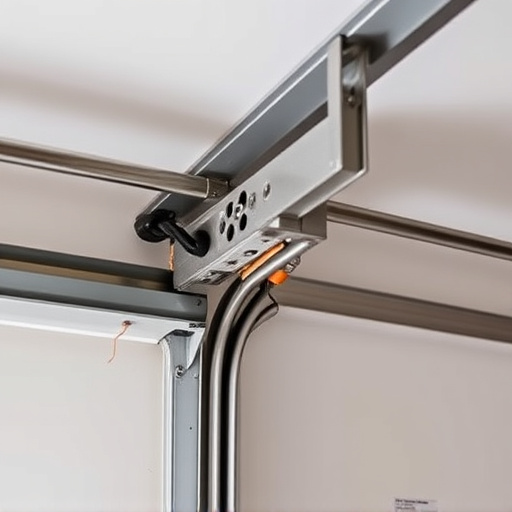
Replacing garage door tracks is a common repair task for homeowners dealing with broken tracks—a problem often exacerbated by common causes such as rust, wear and tear from frequent use, or misaligned rollers. The process involves careful removal of old tracks and rollers, which requires specialized tools like a track removal tool or a flat-head screwdriver, and precise installation of new ones to ensure smooth operation.
The first step is to assess the extent of the damage. Common issues with old tracks include misalignment, gaps between the track and garage door, or visible signs of rust. If the tracks are significantly damaged, it's best to replace them entirely rather than attempt repairs that may only offer temporary solutions. Before proceeding, ensure safety by disconnecting the garage door opener and applying the necessary brakes to secure the door.
Once safety is confirmed, removal begins by detaching the track from the garage door and the header bracket using a suitable tool or screwdriver. Next, lift the old track out of the channel. Inspect the new track for any deformities and ensure it fits snugly within the channel before installing it in place. For proper alignment, rollers should be centered and level with no gaps or overlaps. After reattaching the track to the header bracket and garage door, test the door's operation to verify smooth running.
Expert advice suggests regular inspection of garage door tracks as a preventive measure. Common issues like rust and misalignment can often be caught early, leading to less invasive repairs. If dealing with old tracks, be prepared for potential challenges such as seized rollers or corroded hardware. For instance, data from leading home service platforms shows that track replacement accounts for approximately 15% of all garage door repair calls, emphasizing its importance as a common yet complex issue. When in doubt, consult the 24/7 garage door support team for expert assistance tailored to your specific needs.
Prevent Future Track Issues
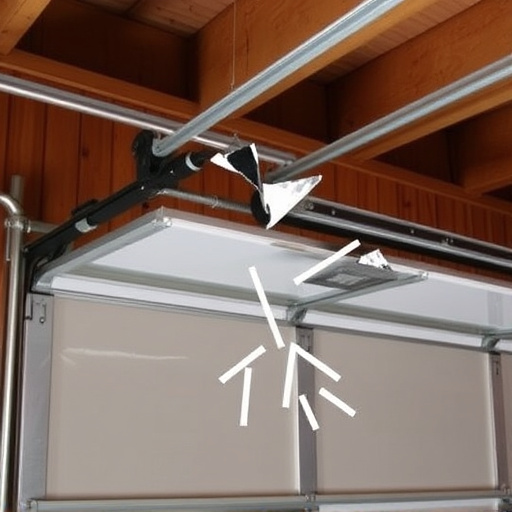
Broken garage door tracks are a common issue, often leading to the need for costly repairs or even full replacements. Understanding the underlying causes of track damage is key to preventing future problems. The most frequent culprits include excessive weight on the door, poor alignment, and debris buildup—especially from fallen leaves, which can clog the tracks. Regular maintenance can mitigate these issues.
One effective strategy involves inspecting and cleaning the tracks periodically. Remove any foreign objects, including leaves, dust, or small pebbles, as these obstructions significantly contribute to track wear. Affordably maintaining your garage door doesn't have to wait for emergencies; same-day service from local experts is readily available. Consider implementing a preventative maintenance plan, which often includes replacing rollers every 7–10 years, depending on usage and environmental factors.
Choosing the right rollers is crucial. Look for high-quality, durable options suitable for your door's weight and size. In regions with frequent leaf fall, opt for models designed to handle debris buildup. Regularly monitoring track condition and addressing issues promptly—such as loud squeaking or unusual noise—can save you from unexpected breakdowns. By heeding these tips, homeowners can extend the life of their garage door tracks, ensuring smooth, reliable operation well into the future.
By addressing the common causes of broken garage door tracks and rollers—such as rust, misalignment, and excessive wear—homeowners can effectively prevent costly repairs. This article has equipped you with essential knowledge and practical steps for both track replacement and proactive maintenance. Armed with safety precautions and a step-by-step guide, you're now prepared to tackle these tasks yourself, saving time and money. To ensure longevity of your garage door system, remember to regularly inspect tracks for signs of damage or misalignment and address issues promptly. These simple measures will significantly reduce the likelihood of future track problems, keeping your garage door running smoothly for years to come.