Proactive maintenance is key to preventing common causes of broken garage door tracks and rollers. Regular cleaning, inspections, and lubrication extend their lifespan. Winter preparation, annual professional assessments, and same-day part replacements reduce repair costs up to 30%. Homeowners should address unusual noises or performance issues promptly, seeking expert help for complex problems. Understanding root causes enables long-term door maintenance and safety.
Garage doors are a critical component of modern home and business security, yet their proper functioning is often overlooked until they break down. One of the most common issues arises from damaged tracks and rollers, leading to safety hazards and inconvenience. This article delves into the intricacies of same-day repairs for broken garage door tracks and rollers, addressing not just the symptoms but also exploring the common causes behind these failures. By the end, readers will gain valuable insights into preventing future breakdowns and ensuring their doors operate smoothly and securely.
- Understanding Garage Door Tracks & Rollers
- Common Causes of Broken Components
- Diagnosing Track & Roller Issues
- Repairing Tracks: Step-by-Step Guide
- Maintaining Your Garage Door System
Understanding Garage Door Tracks & Rollers
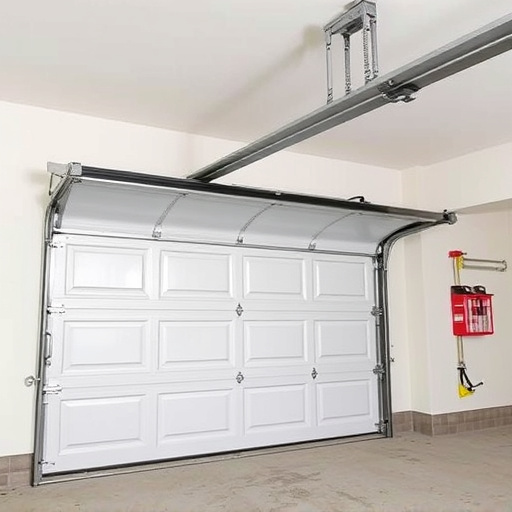
Garage door tracks and rollers are essential components that ensure your door operates smoothly. Understanding their function and common issues is key to maintaining a well-working garage system. Tracks guide the rollers, allowing the door to move up and down, and any damage can lead to serious problems. Common causes of broken garage door tracks include wear and tear over time, misalignment, or issues with installation. Rollers, which bear the weight of the door, are susceptible to rust, especially in environments with high moisture content or salt air, leading to a significant increase in friction and potential track damage.
One of the primary culprits behind broken tracks and rollers is winter salt corrosion on tracks. Salt, often used to melt ice and snow, can severely impact metal components if not promptly cleaned off vehicles and garage floors. To prevent this, regularly wipe down your vehicle and garage surfaces after snowy or salty conditions. Local specialists in roller replacement suggest using wax or specialized coatings on tracks for added protection against corrosion.
Track replacement tips from locals include regular inspection for signs of wear, misalignment, or rust. Addressing these issues early can prevent more complex problems later. For instance, a study by the National Association of Home Builders found that proactive maintenance can reduce garage door repair costs by up to 30%. Moreover, Tucson’s best garage door company emphasizes the importance of professional installation and regular tune-ups to prolong track and roller lifespan.
As winter approaches, it’s crucial to prepare your garage doors for potential damage from salt corrosion. By implementing these tips and seeking expert advice, you can ensure your garage door tracks and rollers remain in top condition, preventing costly repairs and maintaining the safety and functionality of your garage system.
Common Causes of Broken Components
The common causes of broken garage door tracks and rollers are often overlooked, yet they can significantly impact the overall functionality and safety of your garage door system. These components bear the brunt of daily use, exposure to weather conditions, and potential mishandling, leading to wear and tear over time. Wind-driven debris, such as branches or flying stones, can hit tracks, causing dents or misalignments that compromise stability. Old tracks, especially in homes that haven’t undergone regular servicing, are prone to rust, weakening their structural integrity and increasing the risk of breakage. Similarly, rollers that have not been lubricated properly can endure excessive friction, leading to premature wear and potential failure.
Same-day parts replacement services offer a convenient solution for immediate repairs, ensuring your garage door functions smoothly without prolonged disruptions. However, proactive maintenance is equally vital. Regular inspection, typically recommended every 6-12 months, can identify issues early on. For instance, visual checks for signs of rust, cracks, or misalignments can prevent track damage caused by wind debris. Timely lubrication of rollers not only reduces friction but also extends their lifespan, minimizing the chances of sudden breakdowns. It’s worth noting that old tracks (more than 10 years) and poorly maintained systems are more susceptible to common issues, emphasizing the importance of consistent servicing.
Given these factors, homeowners should prioritize regular maintenance routines and be vigilant about any unusual noises or performance issues. For instance, a garage door that sticks or fails to open smoothly might indicate worn-out rollers or misaligned tracks. In such cases, it’s advisable to contact professionals like Garage Door Spring Replacement for expert assessment and repairs. They can provide valuable insights into the root causes of problems and offer tailored solutions to ensure your garage door remains safe, efficient, and reliable for years to come.
Diagnosing Track & Roller Issues
Diagnosing track and roller issues is a critical step in ensuring your garage door functions safely and smoothly. Common causes of broken garage door tracks and rollers include extreme temperatures, which can cause metal components to expand or contract, leading to misalignment and eventual damage. Over time, regular use, especially in heavy-duty applications like commercial garages, can wear out these parts. Poor installation or incorrect adjustments are also significant contributors to early failure. For instance, if tracks aren’t properly leveled, doors may bind, putting excessive stress on rollers.
Regular maintenance can prevent future track breakage. Checking for signs of damage, lubricating rollers, and adjusting tracks as needed are proactive measures garage owners should take. However, not all issues are easily identifiable or preventable. That’s where professional expertise comes into play. At Budget-friendly garage door fixes, we offer same-day installation services for new rollers, ensuring your door is back in top working order promptly. Our local recommendations for the best rollers—including high-quality steel and reinforced options—can withstand extreme temperatures and heavy use, enhancing door longevity.
While DIY repairs can be tempting to save costs, complex track and roller issues often require specialized knowledge. Misdiagnosis or incorrect fixes could lead to further damage or safety hazards. Visit us at Budget-friendly garage door fixes for expert assessments and reliable solutions. By understanding the root causes of broken tracks and rollers, you can take proactive steps to maintain your door’s performance and extend its lifespan.
Repairing Tracks: Step-by-Step Guide
Broken garage door tracks and rollers are a common issue, often stemming from factors like improper installation, frequent use, or environmental conditions. Regular maintenance can significantly extend the lifespan of these components, but even with careful care, replacement is sometimes necessary. Here’s a step-by-step guide to repairing your garage door tracks and rollers:
1. Inspection: Begin by thoroughly inspecting the tracks for signs of damage, rust, or misalignment. Check the rollers for any debris buildup or wear and tear. Identifying the specific problem area is crucial for effective repair. For instance, a bent track might require straightening while worn rollers may need replacement.
2. Clean and Lubricate: Before replacing, clean the tracks and rollers to remove any dirt, dust, or grease buildup. This ensures smooth operation and prevents premature wear. Use a soft brush or vacuum to clear debris, then apply a lightweight lubricant to the roller hinges and tracks. Regular cleaning and lubrication can prevent common causes of breakage and extend the life of your garage door components.
3. Replace as Needed: If damage is severe, replace the affected parts. Track replacement involves removing the old track, measuring for a new one that matches the specifications, and securing it in place. Rollers should be replaced if they are significantly worn or damaged. Local recommendations suggest opting for high-quality rollers from reputable brands to ensure durability.
4. Regular Maintenance: To prevent future issues, implement a regular maintenance routine. This includes periodic checks for track alignment, cleaning, and lubrication. Consider setting reminders to perform these tasks every 3 to 6 months, depending on your garage door’s frequency of use. Moreover, visual inspections can help identify subtle issues early on, preventing more serious breakdowns. If you live in an area prone to harsh weather conditions, regular maintenance is even more critical.
When repairs are needed promptly, it’s convenient to have local emergency repair hotlines like [Local Hotline Number] available. Additionally, for those seeking expert advice tailored to their region, give us a call at Smart Opener Setup—we’re here to provide local recommendations and guidance for long-lasting garage door solutions.
Maintaining Your Garage Door System
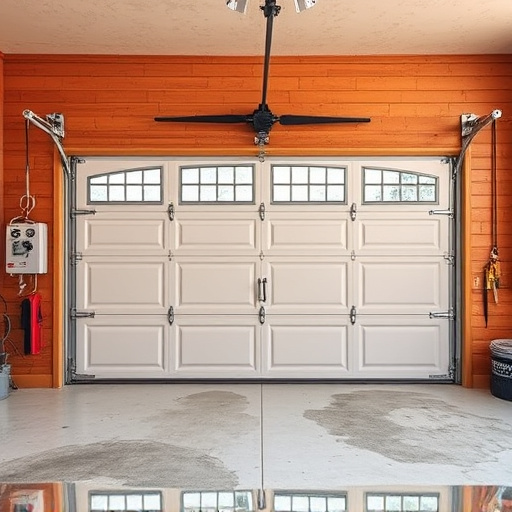
Maintaining your garage door system is an often-overlooked aspect of home ownership, yet it’s crucial for ensuring smooth operation and longevity. One of the key components to keep an eye on are the tracks and rollers—the unsung heroes that support your door’s weight and facilitate its seamless movement. Over time, these parts can wear out due to constant use, environmental factors, or negligence, leading to a variety of issues. Common causes of broken garage door tracks and rollers include rust from exposure to moisture, debris buildup causing misalignment, and excessive tension placing stress on the system.
Regular maintenance can prevent many of these problems, but when repairs are needed, it’s best to leave it to professionals. Specialized tools for roller removal, such as torque wrenches and pry bars, ensure the job is done safely and correctly. Old or damaged tracks often require replacement, addressing common issues like noise, off-track movement, or door misalignment. Local roller replacement services can provide quick fixes, but it’s important to assess the overall condition of your system. For example, a 2018 study by the National Association of Home Builders found that garage door repairs are among the most frequent home maintenance tasks, with an average cost per repair ranging from $75 to $200.
If you’re comfortable performing basic maintenance, regularly inspect tracks for signs of rust or debris and rollers for excessive wear. However, when in doubt, don’t hesitate to reach out to experts like Custom Garage Doors Tucson. Our team has the knowledge and tools to address any issue, from minor adjustments to complete track and roller replacements. Visit us at Custom Garage Doors Tucson to learn more about our comprehensive services and ensure your garage door system continues to serve you well for years to come.
By understanding the common causes of broken garage door tracks and rollers – such as excessive wear, misalignment, and debris obstruction – homeowners can proactively maintain their systems. Diagnosing issues through visual inspections and operational tests empowers effective repairs, with step-by-step guides offering clear, practical instructions. Regular maintenance, including track cleaning and lubrication, further prevents breakdowns. Implementing these insights not only extends the lifespan of garage door components but also ensures safe, reliable operation, underscoring the article’s value as an authoritative resource for proactive and informed garage door care.