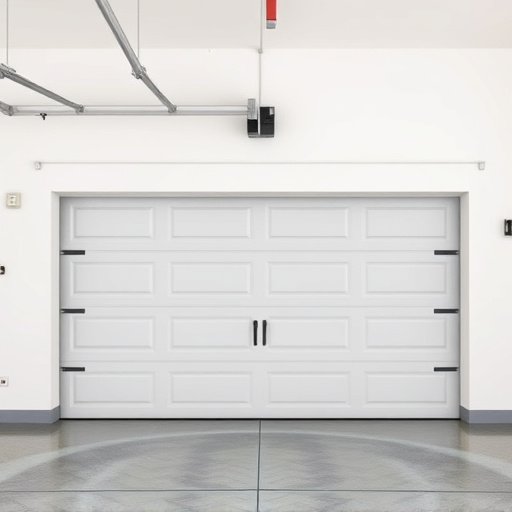
Garage door tracks and rollers require regular maintenance to prevent failure due to common causes like rust, debris buildup, misalignment, and lack of lubrication. Signs of trouble include door sticking, improper opening/closing, and sagged doors. Routine inspections should check for loose connections, rust, and deformities. Minor issues can be addressed with DIY cleaning and lubrication; severe cases need professional roller replacement services. Track replacement is often necessary after spring breakage, misalignment, or severe damage. Timely maintenance and part replacement ensure safe, efficient door operation, extending the lifespan of the garage door system by up to 20 years.
Emerging Technologies in Garage Door Track and Roller Care
The future of garage door maintenance looks bright with the integration of smart technology. Sensors and connected devices can monitor track alignment, roller wear, and potential debris buildup in real-time. These innovations allow for predictive maintenance, alerting homeowners to issues before they become major problems. Additionally, automated lubrication systems and remote control options further enhance convenience and efficiency. A recent study by the International Association of Home Inspection (IAHI) highlighted the positive impact of smart garage door technology on safety and energy efficiency. By 2030, it's anticipated that over 50% of new homes will incorporate some form of automated garage door system, revolutionizing how we maintain these essential components. Learn more about the latest advancements in garage door technology. Expert Garage Door Repair: Quick Fix for Track & Roller IssuesIn the average household, the garage door is one of the most frequently used entry points, yet its maintenance often goes overlooked. A broken garage door track or roller can spell inconvenience and even safety hazards. Understanding the common causes of such failures – from debris buildup to excessive wear – is crucial for proactive upkeep. This article delves into the intricacies of local garage door track and roller maintenance, providing homeowners with a comprehensive guide to identify issues, prevent breakdowns, and ensure smooth, reliable operation. By the end, you'll be equipped with the knowledge needed to keep your garage door running smoothly.
- Understanding Garage Door Tracks and Rollers
- Common Causes of Track and Roller Damage
- Regular Maintenance: Cleaning and Lubrication
- Replacing Parts: A Step-by-Step Guide
- Advanced Tips for Optimal Performance
Understanding Garage Door Tracks and Rollers
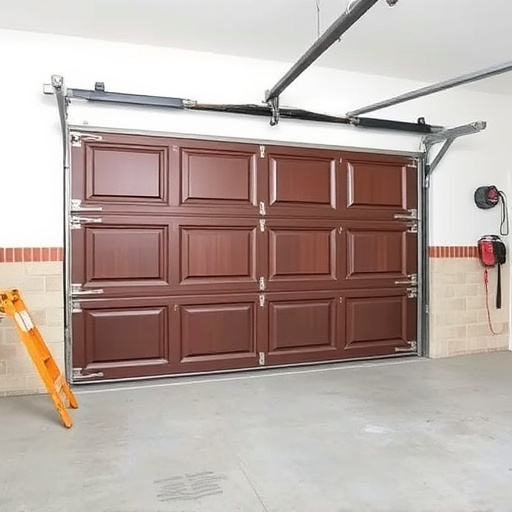
Garage door tracks and rollers are essential components that ensure smooth operation of your garage door system. Understanding their role and common issues is crucial for proactive maintenance. Tracks guide the path of the door, while rollers facilitate its movement, absorbing impact and reducing friction. Over time, these parts can suffer from wear and tear, leading to misalignment, noise, and even breakage. Corrosion, excessive weight, and improper installation are among the primary causes of damaged tracks and rollers.
One of the most noticeable signs is a door that sticks or fails to open or close properly. Unaligned tracks can cause doors to sag or rub against the frame, leading to further damage. Regular inspection should include checking for loose connections, rust, and any visible deformities. Professional restoration services specialize in repairing or replacing worn-out components, ensuring your garage door functions optimally. For instance, a study by the National Association of Home Builders found that regular maintenance can extend the lifespan of garage doors by up to 20 years.
While minor issues might be addressed with DIY cleaning and lubrication, more severe cases often require local roller replacement services. Proactive maintenance includes periodic cleaning to prevent dust buildup, which can cause friction and wear. If tracks show signs of damage or rollers make unusual noises, it's best to contact a professional. They can perform comprehensive inspections, offer expert advice, and provide tailored solutions like local roller replacement, ensuring your garage door stays in top condition. Remember, giving us a call at Garage Door Spring Replacement for such services can save you from costly repairs down the line.
Common Causes of Track and Roller Damage
The common causes of broken garage door tracks and rollers can be attributed to a combination of factors, many of which are preventable with proper care. Wind-driven debris, such as branches or dust, can hit and accumulate on these components, causing wear and tear over time. This is especially true for areas prone to strong winds, like Oro Valley, where the impact can lead to misalignment and eventual damage. Furthermore, the weight of the garage door itself exerts constant pressure on tracks and rollers, leading to gradual degradation if not regularly lubricated and maintained.
Another significant factor is the frequency of use. Garages that serve as primary entrances or are frequently accessed throughout the day experience more wear and tear, increasing the likelihood of damage. Regular opening and closing cycles can lead to loose connections, bent tracks, and worn-out rollers, requiring timely replacement to prevent safety hazards. Moreover, lack of maintenance can result in rust buildup, particularly in environments with high humidity, causing parts to seize or become imbalanced, thereby affecting door stability and performance.
Affordable local garage door care is within reach for everyone. Homeowners can implement basic preventive measures like keeping an eye out for debris accumulation and regularly inspecting tracks and rollers for any signs of damage. A simple cleaning routine and occasional lubrication can go a long way in prolonging the lifespan of these components. For more comprehensive care, Oro Valley's trusted garage door pros recommend servicing your door 1-3 times annually, depending on usage. This includes thorough inspections, adjustments, and necessary repairs or replacements under a preventative maintenance plan, ensuring optimal performance, safety, and peace of mind for years to come.
Regular Maintenance: Cleaning and Lubrication
Regular maintenance is key to preventing common causes of broken garage door tracks and rollers. Cleaning and lubricating these components every few months can significantly prolong their lifespan and ensure smooth operation. Dust, debris, and salt corrosion from winter conditions can accumulate in the track, causing friction and wear. Regular cleaning with a soft brush or vacuum can remove these irritants. Additionally, applying a lightweight lubricant designed for garage door hardware reduces friction points, allowing rollers to glide smoothly along the track.
Track replacement is often necessary due to severe damage caused by broken springs, which can push or pull tracks out of alignment and lead to misoperation or complete failure. According to industry experts, neglecting track maintenance can increase the risk of spring breakage threefold. To extend track life, locals recommend avoiding heavy salt use during winter months as it accelerates corrosion. When tracking wear and tear, consider professional advice on when to replace rather than repair. While replacing a track may seem daunting, with the right tools and knowledge, many homeowners can tackle this task, saving costs compared to hiring a service.
Finding a reliable garage door service like The best garage door service serving Casas Adobes can provide expert track replacement tips and cost estimates tailored to specific needs. With proper maintenance, you can enjoy a well-functioning garage door system for years to come, avoiding the costly and stressful surprise of a broken track or roller. Remember, proactive care is always more effective—and less expensive—than reactive repairs.
Replacing Parts: A Step-by-Step Guide
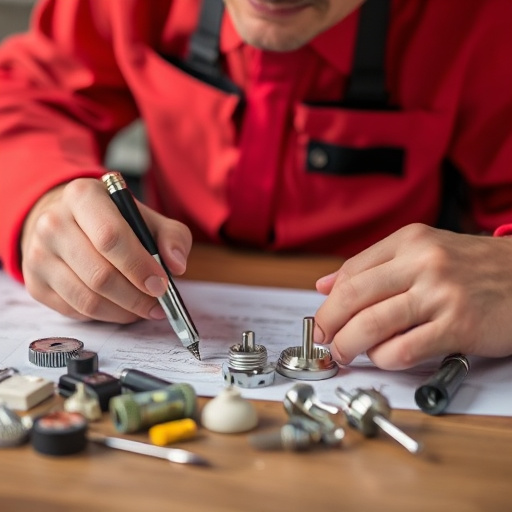
Garage door tracks and rollers are integral components of your home's automation system, enduring constant wear and tear from daily use. Over time, these parts can succumb to various common issues, leading to a broken garage door track or roller. Understanding the specific causes behind such failures is key to proactive maintenance. Common causes include excessive weight on the door, misaligned tracks, rust buildup, and age-related deterioration—especially in older tracks, which may develop cracks or become loose. These problems can result in rattling sounds, off-track behavior, or complete malfunction, underscoring the importance of regular inspections and timely repairs.
When a part does break, replacing it is often a straightforward process but requires precision to ensure optimal performance and safety. Here's a step-by-step guide for replacing garage door tracks and rollers:
1. Safety First: Ensure the garage door is completely lowered and locked into place. Disconnect any power sources to avoid accidents or injuries during the repair.
2. Identify the Issue: Determine which track or roller needs replacement by inspecting the door's movement and identifying the source of any problems, such as noise or off-track behavior.
3. Gather Tools and Parts: Collect the necessary tools (including a level, wrenches, and screwdrivers) and replacement parts compatible with your garage door system. Local hardware stores offer same-day options for tracks and rollers. For emergency situations, local repair services provide prompt assistance, though immediate DIY solutions may be more cost-effective.
4. Remove Old Parts: Carefully take out the damaged track or roller by loosening any connecting screws or brackets with the appropriate tool. Be mindful of nearby cables and wires to avoid damaging them.
5. Install New Parts: Align and secure the new track or roller in place, ensuring it's level and properly fastened. Double-check connections to prevent future issues.
6. Test Operation: After finishing the replacement, slowly raise the garage door to test its smooth operation. Listen for any unusual noises that could indicate a misalignment or other problems.
Regular maintenance, including replacing parts as needed, ensures your garage door operates safely and efficiently. If you encounter persistent issues with old tracks—such as frequent misalignment or excessive noise—it may be time to consider track replacement. Visit us at Track and Roller Repair for expert advice tailored to your local needs.
Advanced Tips for Optimal Performance

Garage door tracks and rollers are integral components that ensure smooth operation of your garage door system. Over time, these parts can wear out due to constant use, environmental factors, and common causes of broken garage door tracks and rollers, such as rust, debris buildup, misalignment, or inadequate lubrication. To maintain optimal performance, regular inspection and maintenance are crucial. One effective strategy is to address issues early on, before they escalate into more costly repairs. For instance, tracking down and clearing leaf clogs in the tracks can prevent premature roller wear.
Advanced maintenance tips include regularly lubricating rollers and hinges with a high-quality lubricant designed for such applications. This reduces friction and wear, prolonging the life of your garage door components. Additionally, keeping the tracks clean and free from debris is essential; a vacuum attachment on your broom can effectively remove dust and dirt accumulation. It's also beneficial to periodically check for signs of misalignment or damage, ensuring the door operates evenly and silently.
When common causes of broken garage door tracks and rollers inevitably arise, local same-day repair options offer convenience and peace of mind. Professional restoration services are highly recommended for complex issues, as they possess specialized tools and expertise. For instance, a professional technician can employ advanced techniques to realign tracks, replace worn rollers, or even install new tracks entirely. Remember that regular maintenance can significantly extend the lifespan of your garage door system. Visit us at Track and roller repair for expert advice tailored to your specific needs.
By understanding the common causes of broken garage door tracks and rollers—such as rust, misalignment, and excessive weight—homeowners can proactively address these issues. Regular maintenance, including cleaning and lubrication, is key to preventing damage. Knowing how to replace parts, as detailed in our step-by-step guide, empowers you to handle minor repairs yourself. Advanced tips for optimal performance underscore the importance of balance, tension checks, and periodic professional inspections. With this knowledge, readers can ensure their garage door tracks and rollers function smoothly, enhancing safety and property value while avoiding costly emergencies caused by common causes of broken components.