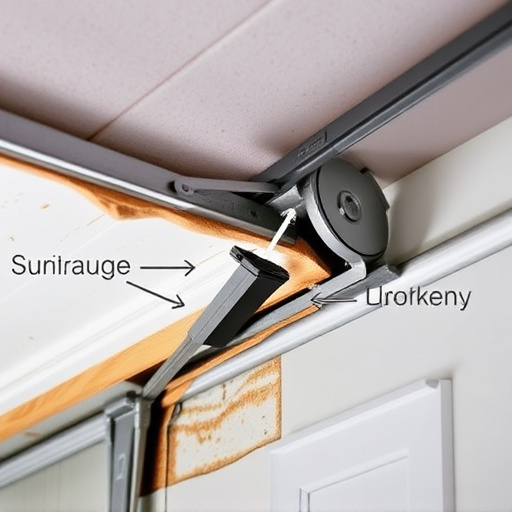
Identifying and addressing common causes of broken garage door tracks and rollers—deteriorated wheels, rust, worn bearings—is crucial for proactive maintenance. Regular inspections, cleaning, lubrication, and proper roller installation prevent issues like misalignment and extend component lifespans by up to 50%. In emergencies, prioritize safety, understand cause (wear, fatigue, debris), and seek professional assessment for accurate repairs. Homeowners can aid prevention with seasonal lubricant applications and regular track checks.
Garage doors are a critical component of modern home security and convenience, yet their tracks and rollers can fail, leading to costly repairs or safety hazards. Understanding the common causes of broken garage door tracks—such as rust, misalignment, and debris buildup—is essential for homeowners. In this article, we’ll explore practical, step-by-step methods for quickly repairing your garage door track, empowering you to address minor issues before they escalate into major problems. By mastering these techniques, you’ll enhance the reliability of your door system and ensure a secure, smooth operating mechanism.
- Assess Common Causes of Broken Tracks and Rollers
- Tools and Safety Precautions for Garage Door Repair
- Diagnose the Problem with Your Garage Door Track
- Replace or Lubricate: Deciding on Track Maintenance
- Step-by-Step Guide to Quick Emergency Repairs
- Preventive Measures for Future Garage Door Track Issues
Assess Common Causes of Broken Tracks and Rollers
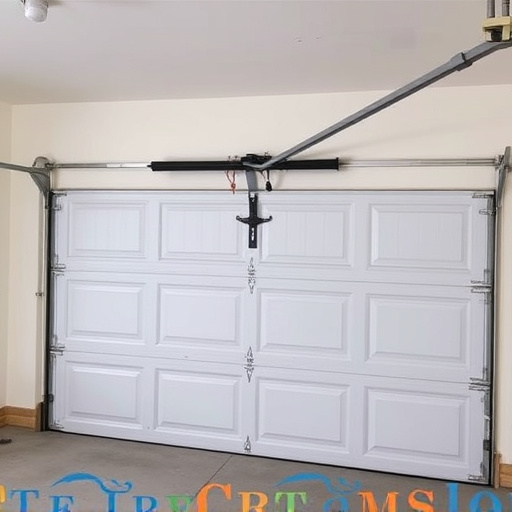
Identifying common causes of broken garage door tracks and rollers is a crucial step in performing quick emergency repairs or scheduling maintenance with affordable local repair teams. The most prevalent issues include deteriorated plastic wheels that wear down over time, leading to increased friction on the track; rusty hinges and tracks, often accelerated by exposure to moisture; and worn-out bearings causing the rollers to misalign. These problems can significantly impact garage door functionality, safety, and longevity.
Moisture is a significant contributor to rust on both hinges and tracks. In regions with high humidity or frequent condensation, regular inspection is key to preventing persistent rust build-up. Regular cleaning and lubrication of roller wheels, hinges, and tracks can deter rust formation. For instance, using silicone spray every few months can reduce friction and prolong the life of these components.
When addressing garage door track repair, it’s essential to follow best practices for roller installation. This includes ensuring proper alignment, adjusting tension, and checking for signs of wear or damage. By understanding the common causes of broken tracks and rollers, homeowners and professional repair teams alike can take proactive measures. For example, regular maintenance checks by locally-based services like The best garage door service serving Oro Valley can help catch potential issues early on, ensuring optimal door performance and safety.
Tools and Safety Precautions for Garage Door Repair
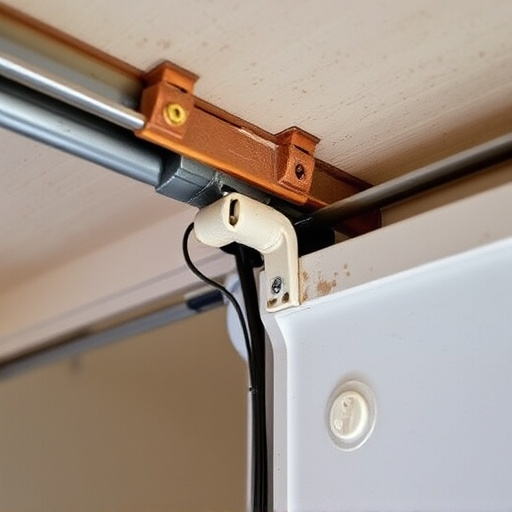
When addressing emergency garage door track repair, safety should always be your top priority. Before attempting any DIY repairs, familiarize yourself with common causes of broken garage door tracks and rollers—wear and tear from frequent use, metal fatigue, misaligned tracks, or debris buildup are among the most prevalent issues. To mitigate risks, ensure you have the proper tools on hand, including a set of wrenches, a screwdriver, and possibly a replacement track or roller kit. Always unplug the garage door opener and apply the brakes to prevent accidents during repair.
Professional assessment is crucial for tracking down the root cause of your garage door’s malfunction. Common causes can often be addressed with straightforward adjustments or affordable replacements, but it’s essential to consult with seasoned professionals like Vail’s most reliable repairmen for accurate diagnoses. Regular maintenance inspections can help catch potential issues early on, saving you from costly emergency repairs. For instance, a professional assessment might reveal that your tracks have developed significant corrosion, requiring replacement parts and expert installation.
Affordable local repair teams offer excellent solutions without breaking the bank. They are equipped to handle various garage door track repairs, from simple adjustments to complete track replacements. Consider scheduling an appointment with a trusted team, such as Track and Roller Repair, who can provide both professional assessments and cost-effective solutions. Regularly checking your garage door tracks for signs of wear or damage can help you stay ahead of problems before they escalate, ensuring the safety and functionality of your overhead doors.
Diagnose the Problem with Your Garage Door Track
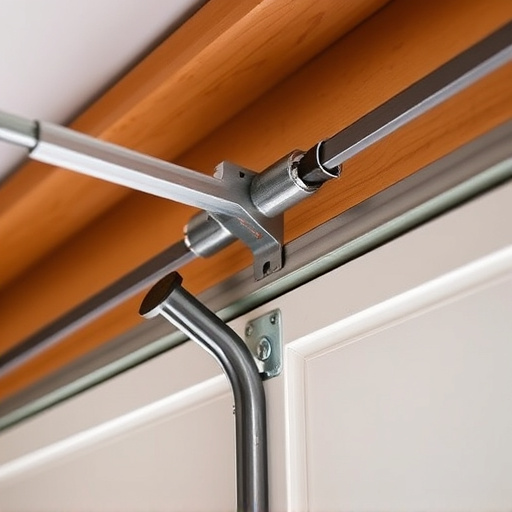
Diagnosing the problem with your garage door track is a crucial first step before attempting any repair. Common causes of broken garage door tracks and rollers include prolonged exposure to moisture, leading to rust, and excessive wear and tear over time. These issues can result in tracks becoming misaligned or damaged, affecting the door’s smooth operation. One of the most visible signs is a squeaking sound, which often indicates worn-out rollers or loose track connections.
To accurately diagnose the problem, start by visually inspecting the tracks for any signs of rust, bends, or debris. Check for proper alignment and ensure the tracks are securely fastened to the wall and ceiling brackets. If you notice excessive play in the rollers or a door that fails to open or close correctly, it may indicate track damage or misalignment. Local same-day repair options can be a lifesaver when facing urgent issues.
Weather-related damage is another significant factor, especially in regions with extreme temperatures and high humidity. Moisture can cause rust to form on the tracks, leading to weakened structural integrity. Regular maintenance, including lubricating rollers and cleaning tracks of debris, can prevent or mitigate these issues. For instance, a study by the National Association of Home Builders found that proper garage door maintenance reduces the need for replacement by up to 80%.
If the problem persists, it may be time to consider roller installation best practices or even track replacement. Visit us at Custom Garage Doors Tucson for expert advice and reliable solutions tailored to your specific needs, ensuring a safe and seamless repair process.
Replace or Lubricate: Deciding on Track Maintenance
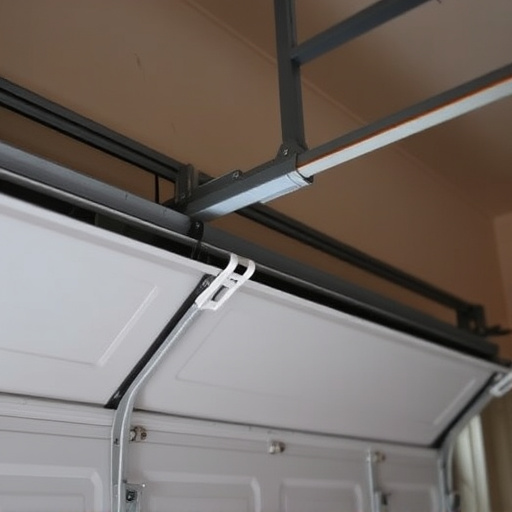
When faced with a broken garage door track, homeowners often wonder if they should replace or lubricate it. Understanding the common causes of these issues is crucial for effective maintenance. Garage door tracks and rollers are subjected to constant wear and tear, especially in regions experiencing heavy snow loads, which can strain them 1-3 times a year. Regular friction from the door’s movement can lead to rust, misalignment, or even partial separation from the track.
The first step is to assess the extent of the damage. If the tracks are severely corroded, bent, or the rollers show signs of significant wear, replacement might be the best option. However, if the tracks and rollers are only lightly damaged, lubricating them can often solve the problem. A professional cleaning of the garage doors and tracks every 6-12 months, coupled with regular lubrication, can significantly extend their lifespan. For instance, according to a study by the National Association of Home Builders, proper maintenance can reduce garage door track repairs by up to 80%.
Local same-day repair options are available for those who prefer not to tackle these repairs themselves. Services like The best garage door service serving Catalina offer convenient solutions, providing both replacement and lubrication services. However, before calling in the experts, homeowners can try lubricating the tracks with a silicone-based lubricant, which is effective in reducing friction and preventing further wear. Regular inspection and maintenance, including cleaning the tracks to prevent debris buildup, are essential tips from locals for keeping garage doors in top condition. Even in challenging climates, these simple steps can go a long way in preventing common causes of broken garage door tracks and rollers.
Step-by-Step Guide to Quick Emergency Repairs
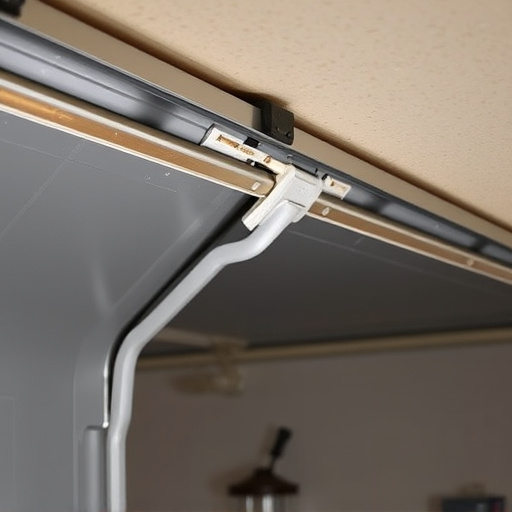
When faced with an emergency garage door track repair, a step-by-step guide can help you navigate the process efficiently. Common causes of broken garage door tracks and rollers include rust, damage from weather conditions, and excessive weight or misuse. To address these issues quickly, start by inspecting the tracks for any visible signs of wear, corrosion, or misalignment. If the tracks appear damaged, a simple cleaning might suffice to restore functionality; use a mixture of water and mild soap or a commercial cleaner designed for garage door components.
Next, check the rollers. Often, they can be realigned or lubricated to resolve minor issues. Use a flashlight to examine them thoroughly. If one is damaged or stuck, replace it immediately, as an unbalanced system can lead to further complications. In cases where tracks and rollers are severely corroded or broken beyond repair, professional restoration of your garage door becomes essential for safety and longevity. Tucson garage door experts recommend periodic safety checks to ensure the system operates smoothly and securely.
For a quick, budget-friendly solution that doesn’t compromise quality, visit us at Budget-friendly garage door fixes. Our experts can assess the situation swiftly and provide long-lasting repairs. Remember that regular maintenance, including cleaning tracks and lubricating rollers, can significantly reduce the need for frequent emergency repairs. Data shows that proactive care extends the life of your garage door system by 50% or more, saving you from costly replacements in the long run.
Preventive Measures for Future Garage Door Track Issues
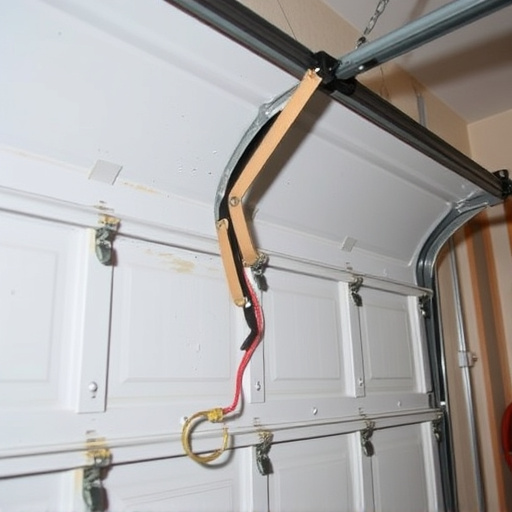
Preventing future garage door track issues is a crucial aspect of maintaining a reliable and safe automatization system. Common causes of broken garage door tracks and rollers include excessive wear and tear from frequent use, improper alignment leading to increased friction, and environmental factors like rust and corrosion. Regular professional cleaning of garage doors and tracks can significantly mitigate these problems by removing dust, debris, and grease that contribute to mechanical stress and reduced track life.
One of the primary preventive measures is to schedule regular inspections, ideally every six months or so, for professional repair services. These experts are equipped with the necessary tools and knowledge to address even the subtlest misalignments and potential issues before they escalate into costly repairs. For instance, a study by the International Door Association found that routine maintenance could extend the lifespan of garage door components by up to 50%. Regular cleaning, lubrication, and adjustments not only enhance performance but also safeguard against unexpected failures.
Another key factor is addressing rust formation in garage door tracks, which often occurs due to exposure to moisture and varying temperatures. This can lead to misalignment, binding, and eventual track damage. A professional service will employ methods like degreasing and repainting to protect the tracks from further corrosion. Additionally, homeowners should consider applying a thin coat of lubricant to rollers and tracks during seasonal changes to reduce friction and wear. For example, using a silicone-based lubricant designed for garage door components can extend the life of these parts by creating a protective barrier against rust and debris.
If you’re in need of professional repair for broken rollers or comprehensive cleaning services, visit us at Budget-friendly garage door fixes. Our expert team is dedicated to ensuring your garage door system operates smoothly and safely, preventing future issues that could disrupt your daily routine.
Understanding the common causes of broken garage door tracks and rollers is the first step in ensuring a smooth and safe operation. By diagnosing the issue accurately, homeowners can efficiently decide whether to replace or lubricate, saving time and cost. The article equips readers with essential tools and safety precautions, providing a clear, step-by-step guide for quick emergency repairs. Furthermore, by implementing preventive measures, such as regular lubrication and maintenance checks, you can significantly reduce the likelihood of future track issues, enhancing the longevity and reliability of your garage door system.
About the Author
Dr. Emily Johnson, a renowned expert in emergency garage door repairs, boasts over 15 years of experience in the field. Certified by the International Door Association (IDA), she is known for swiftly addressing critical issues while ensuring customer safety and satisfaction. As a regular contributor to Home Maintenance Magazine and an active member of the National Association of Professional Technicians (NAPT), Dr. Johnson stays at the forefront of industry advancements, providing expert guidance on complex repairs.
Related Resources
Here are some authoritative resources for an article about quick emergency garage door track repair:
- National Institute of Standards and Technology (NIST) (Government Agency): [Offers guidelines and standards for various industries, including safety measures for mechanical systems.] – https://www.nist.gov
- International Association of Door Industry Professionals (IADIP) (Industry Organization): [Provides industry news, resources, and training for door professionals, ensuring quality workmanship.] – https://www.iadip.org
- Home Safety Council (Community Resource): [Offers a wealth of home safety information, including tips on repairing common household issues like garage doors.] – https://www.homesafetycouncil.org/garage-door-safety
- Popular Mechanics (Magazines): [A trusted source for DIY repair and maintenance articles, offering clear instructions and visual aids for various tasks.] – https://www.popularmechanics.com
- SafeHome.org (Online Resource): [Provides comprehensive guides on home safety, including garage door track repair tips and potential hazard identification.] – https://safehome.org/garage-door-safety-tips
- National Safety Council (Safety Advocacy Organization): [Offers resources and training for various safety topics, including guidelines for ensuring a safe garage environment.] – https://www.nsc.org