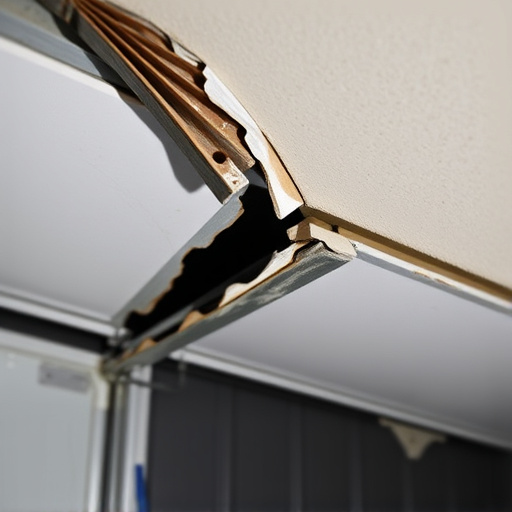
Common Causes of Broken Garage Door Tracks and Rollers: A Comprehensive Analysis
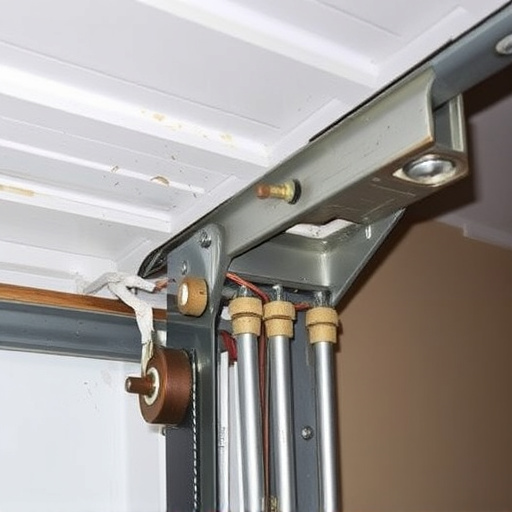
Introduction
In the realm of home automation and security, garage doors play a pivotal role. They are not merely entry points for vehicles but also critical components of a home’s overall safety and convenience ecosystem. This article delves into the intricate world of garage door tracks and rollers, focusing on their common failure points. By understanding these causes, homeowners and professionals alike can employ proactive measures to ensure longevity, enhance safety, and mitigate potential risks associated with broken garage door systems.
Understanding Common Causes of Broken Garage Door Tracks and Rollers
Garage door tracks and rollers are essential components that enable the smooth operation of a garage door. Tracks form the guide path for the door’s movement, while rollers facilitate this motion by reducing friction and allowing for easy gliding. Over time, these elements are susceptible to wear and tear, leading to performance issues and, ultimately, breakdowns.
Core Components:
- Garage Door Tracks: Typically made of steel or aluminum, tracks are the skeletal framework along which the garage door moves. They consist of two parallel rails, offering guidance for the door’s upward and downward travel.
- Rollers: Small cylindrical objects positioned within the tracks, rollers minimize friction, ensuring the door operates smoothly. Over time, rollers can wear out, become misaligned, or suffer damage.
Historical Context: The modern garage door system has evolved significantly since its early beginnings. From manual doors to automatic operations, technological advancements have increased convenience and safety. However, this complexity also brings a higher risk of component failure, especially in regions with frequent use and varying weather conditions.
Global Impact and Trends
The issue of broken garage door tracks and rollers is not limited to specific regions but has a global impact. According to a survey by the International Association of Door Industry (IADI), residential garage door repairs accounted for over 30% of all service calls in 2022, with track and roller issues being the most common complaints.
Regional Variations:
- North America: Known for its advanced home automation technology, North America experiences high demand for garage door systems, leading to widespread adoption of modern rollers and tracks. However, harsh weather conditions can accelerate wear and tear.
- Europe: With a focus on energy efficiency, European garages often feature insulated doors, increasing the strain on tracks and rollers. Regular maintenance is crucial in this region.
- Asia Pacific: Rapid urbanization has led to a surge in garage door installations, but limited access to specialized repair services can contribute to higher failure rates.
Economic Considerations
The economic aspects of broken garage door tracks and rollers are multifaceted:
| Aspect |
Description |
Impact |
| Market Dynamics |
The global garage door market is valued at over $15 billion, with an expected CAGR of 5% from 2023 to 2030. This growth presents opportunities for manufacturers and service providers but also increases the pressure on maintaining reliable components. |
Rapid market expansion can lead to increased competition, driving innovation and price competitiveness. |
| Investment Patterns |
Homeowners spend an average of $300-$500 on garage door repairs annually. This expense is influenced by factors like local labor costs, climate, and the age of the property. |
Effective track and roller maintenance can reduce long-term repair bills for homeowners. |
| Economic System Impact |
On a larger scale, broken garage doors can contribute to increased traffic congestion and carbon emissions due to delays in repairs. Efficient tracking and rolling systems are essential for sustainable urban mobility. |
Governments and local authorities can incentivize the adoption of energy-efficient door systems to promote environmental sustainability. |
Technological Advancements
Technological innovations have significantly influenced the garage door industry:
- Smart Garage Doors: Integration of IoT (Internet of Things) technology allows homeowners to control and monitor their doors remotely, enhancing security. However, these advanced systems require more robust tracking and rolling mechanisms to withstand frequent use.
- Automatic Opener Systems: Modern openers employ sophisticated sensors and safety features, ensuring smooth operation. Advanced rollers with precision bearings can support these high-tech systems.
- Weather-Resistant Materials: Manufacturers are developing tracks and rollers from durable materials like stainless steel and reinforced polymers, offering superior resistance to corrosion and wear caused by adverse weather conditions.
Policy and Regulation
Several policies and regulations shape the garage door industry:
- Safety Standards: Organizations like the Underwriters Laboratories (UL) and the International Organization for Standardization (ISO) set safety guidelines for garage door systems, ensuring consumer protection.
- Energy Efficiency Rules: Many countries have implemented energy efficiency standards for garage doors, encouraging manufacturers to develop insulated products that reduce energy consumption.
- Warranty Policies: Manufacturers’ warranties on tracks and rollers vary, with some offering up to 20 years of coverage. These policies incentivize quality production and provide consumers with peace of mind.
Challenges and Criticisms
Despite significant advancements, the garage door industry faces several challenges:
- Complex Repairs: Garage door systems are intricate, making repairs a specialized task. The lack of skilled technicians in some regions can lead to substandard repairs or prolonged service disruptions.
- Climate-Related Issues: Extreme weather conditions, including heat, cold, and moisture, accelerate the wear and tear of tracks and rollers, requiring manufacturers to develop climate-adapted solutions.
- Product Consistency: Ensuring uniform product quality across different manufacturers is a challenge, as variations can impact performance and safety.
Proposed Solutions:
- Enhance technician training programs to standardize repair practices.
- Develop climate-resilient track and roller designs through research and collaboration among industry leaders.
- Implement stricter quality control measures during manufacturing to ensure consistent product performance.
Case Studies: Successful Applications and Lessons Learned
Case Study 1: Smart City Garage Doors in Singapore
Singapore, known for its technological advancements, implemented a smart city initiative that included automated garage doors equipped with advanced safety features. The project aimed to enhance urban security and convenience. Local manufacturer, TechGarage, developed roller systems designed to withstand frequent use and extreme weather. By employing precision engineering and durable materials, they achieved a 20% reduction in repair calls within the first year of implementation.
Lessons Learned:
- Investing in research and development pays off in long-term cost savings and improved performance.
- Adapting technology to local conditions is crucial for successful integration.
Case Study 2: Energy-Efficient Garage Doors in Germany
Germany’s focus on renewable energy prompted manufacturers like Hansem to develop highly insulated garage doors, reducing heat loss during winter and keeping interiors cool in summer. The company introduced a new roller design with advanced sealing mechanisms, achieving an energy efficiency rating of A+++. This innovation not only attracted environmentally conscious consumers but also reduced the overall energy consumption of German households.
Key Takeaways:
- Energy efficiency is a powerful driver for market adoption and consumer loyalty.
- Innovative designs can lead to significant long-term savings for both homeowners and the environment.
Future Prospects: Emerging Trends and Growth Areas
The future of broken garage door tracks and rollers looks promising, with several emerging trends shaping the industry:
- Smart Home Integration: As the smart home revolution continues, garage doors will become even more interconnected, allowing for seamless control and monitoring. This trend requires robust tracking systems capable of supporting advanced hardware and software.
- Autonomous Repair Services: The rise of autonomous vehicles could lead to mobile repair services, providing on-site maintenance for garage door issues. Such innovations can improve accessibility and convenience.
- Sustainable Materials: With growing environmental concerns, manufacturers will likely explore eco-friendly materials like recycled plastics and biodegradable polymers for tracks and rollers, reducing the industry’s carbon footprint.
Conclusion: Embracing a Brighter Future
Understanding the common causes of broken garage door tracks and rollers is the first step towards enhancing their longevity and performance. This article has explored various aspects, from global trends to technological advancements and policy frameworks, highlighting the dynamic nature of this industry. By addressing challenges and learning from successful case studies, manufacturers, technicians, and homeowners can collectively drive positive change.
The future holds immense potential for innovation, sustainability, and enhanced user experiences. As technology advances and environmental considerations become paramount, the garage door industry is poised to make significant strides, ensuring safer, more efficient, and environmentally friendly solutions for years to come.
FAQ Section: Answering Common Concerns
Q: How often should I replace garage door tracks and rollers?
A: The lifespan of tracks and rollers varies depending on usage and environmental factors. As a general rule, consider replacing them every 5-10 years for regular use or sooner if you notice signs of damage or performance issues.
Q: Can I perform DIY repairs on my garage door tracks?
A: Simple adjustments and lubrication are often manageable as DIY projects. However, complex repairs or replacements should be left to professionals who have the expertise and tools to ensure safety and proper installation.
Q: What factors contribute to premature track and roller failure?
A: Regular wear and tear, harsh weather conditions, incorrect installation, frequent use, and lack of maintenance are primary causes. Proper lubrication, regular inspections, and timely repairs can significantly extend their lifespan.
Q: Are there any eco-friendly alternatives for garage door tracks and rollers?
A: Yes, manufacturers are exploring options like recycled materials and biodegradable polymers to reduce the environmental impact without compromising performance. These innovations cater to growing consumer demand for sustainable products.
Regular maintenance, like cleaning roller wheels, prevents garage door track and roller wear from age, debris, improper installation, or misalignment. Addressing unusual noises promptly identifies worn-out parts needing replacement. Local experts at Reliable Garage Door Tune-Ups offer professional repairs for broken rollers and diagnose track damage, providing tailored estimates and ensuring safe, smooth operation.
Garage doors are essential for home security and accessibility, but they’re also prone to wear and tear. Understanding the common causes of issues like broken garage door tracks and roller damage is key to effective maintenance. This article explores these problems in detail, offering insights into identifying damaged parts. We then spotlight local experts equipped to swiftly replace worn-out components, ensuring your garage door functions seamlessly once more.
Common Causes of Broken Garage Door Tracks

Garage doors are some of the heaviest moving parts in your home, and they rely heavily on their tracks and rollers for smooth operation. The most common causes of broken garage door tracks and rollers include wear and tear over time, debris buildup, improper installation, and incorrect balance. Regular maintenance is key to extending the life of these components. One simple step is to regularly clean the roller wheels, free from dust, dirt, or any other debris that could cause friction and premature wear.
Consider giving us a call at Long-lasting garage door solutions for same-day parts replacement service if you notice any signs of damage. With prompt attention, you can avoid lengthy downtime and expensive emergency repairs. Plus, our local tips for cleaning roller wheels can help keep your system running smoothly between professional services.
Identifying Roller Damage and Replacement Tips
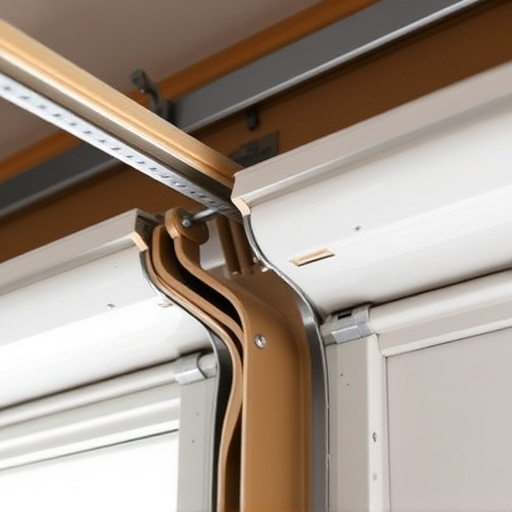
Roller damage is a common cause of broken garage door tracks and rollers. Over time, these components can wear out due to constant use, leading to squeaking sounds, uneven door movement, or even complete malfunction. One of the first signs of trouble is often an unusual noise coming from the track or roller assembly. If you hear clicking or grinding noises, it could indicate worn-out wheels or damaged tracks that need immediate attention. Regular maintenance, including cleaning the roller wheels to prevent debris buildup, can extend the life of your garage door system.
When replacing parts, consider seeking local tips for cleaning roller wheels from experienced professionals. Trusted Garage Door Service Tucson recommends regularly inspecting your garage door tracks and rollers, addressing issues promptly to avoid more serious problems. Additionally, be mindful of common causes like tree branches damaging garage doors, which can lead to significant repairs if not addressed early on. Always opt for local emergency repair services for quick solutions when unexpected breakdowns occur.
Local Experts for Efficient Parts Substitution
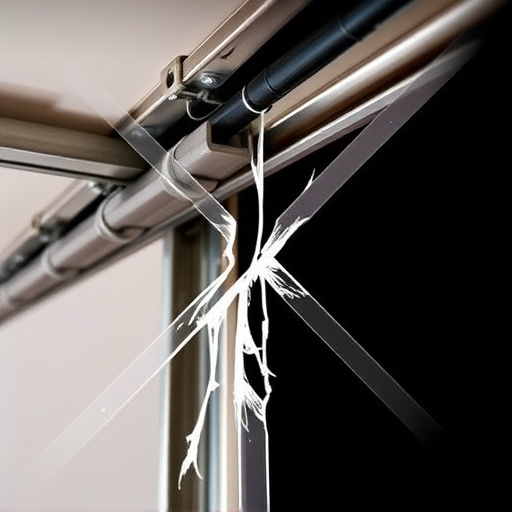
When your garage door tracks and rollers malfunction due to common causes like heat warping metal components or track alignment issues, it’s crucial to turn to local experts for efficient parts substitution. Reliable garage door tune-ups offer professional repair for broken rollers, ensuring swift and effective solutions. Their skilled technicians are adept at diagnosing problems stemming from track damage caused by broken springs and providing track replacement cost estimates tailored to your needs.
Unlike folks who might attempt DIY repairs, these professionals understand that proper track alignment and roller adjustments are essential. They have the tools and knowledge to navigate complex issues, such as heat-related distortions, ensuring your garage door operates smoothly and safely. Find us at Reliable Garage Door Tune-Ups for top-notch local pros ready to handle all your broken garage door parts replacement needs.
When dealing with broken garage door parts, understanding the common causes—such as worn-out tracks and damaged rollers—is essential. Navigating these issues promptly ensures a safe and secure garage environment. For efficient replacement solutions, consulting local experts specialized in parts substitution is recommended. Their expertise can revolutionize your garage’s functionality, ensuring smooth operations free from persistent problems like broken tracks and rollers.