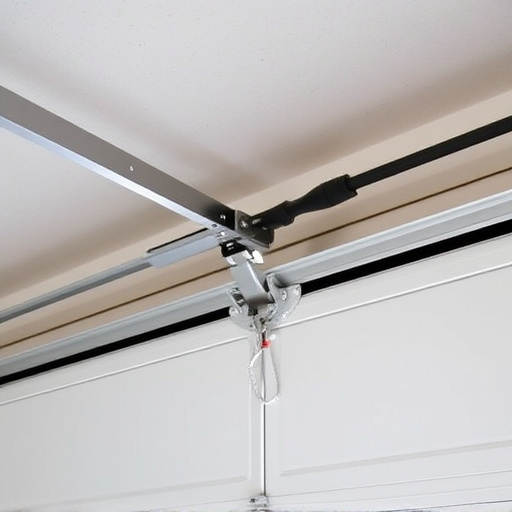
Garage door tracks require regular maintenance to prevent common causes of broken tracks and rollers, such as frequent use, weather exposure, and corrosion. Key insights include:
– Annual inspections and lubrication extend track life.
– Promptly address unusual noises, sticking doors, or visible damage.
– Local specialists offer tailored repair and replacement services.
– Regular maintenance ensures smooth operation, prevents breakdowns, and enhances safety.
In the realm of home maintenance, few issues are as frustrating as a broken garage door track. These essential components play a pivotal role in ensuring smooth operation, security, and convenience. However, common causes of broken garage door tracks and rollers—such as worn-out parts, misaligned tracks, or excessive weight strain—can lead to costly repairs or even complete replacements. This article delves into effective local garage door track solutions, offering expert insights to help homeowners navigate these challenges and maintain the functionality and longevity of their overhead doors.
- Understanding Garage Door Tracks: Essential Components
- Common Causes of Broken Tracks and Rollers
- Diagnosing Track Problems: Signs to Watch For
- Repairing and Replacing Garage Door Tracks
- Maintaining Tracks for Longevity: Tips & Best Practices
Understanding Garage Door Tracks: Essential Components
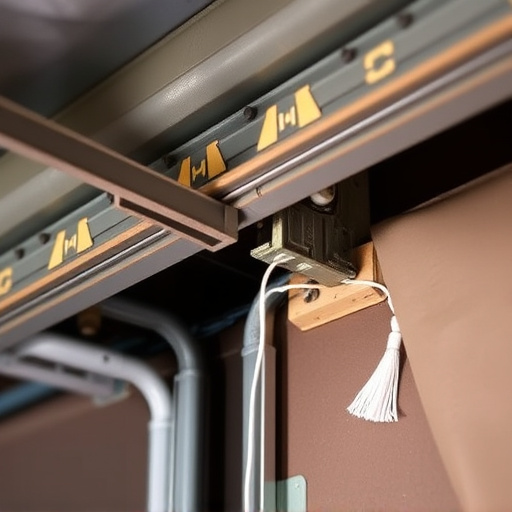
Garage door tracks are often overlooked yet crucial components of your home’s security and convenience system. These tracks serve as the foundation for smooth, safe operation of your garage door, guiding its upward and downward movement. Understanding their function, common issues, and proper maintenance is essential to ensuring a well-functioning garage door system.
One of the most prevalent problems with garage door tracks is wear and tear due to constant use, especially in areas experiencing extreme weather conditions. Rust, for instance, can significantly impair track integrity, leading to misalignment and increased friction on rollers. The subsequent strain on other components can result in broken springs or weakened tracks. Common causes of broken garage door tracks include neglect, inadequate lubrication, improper installation, or damage from external elements like debris or weather extremes. Regular inspection is key; looking for signs of wear, rust, or misalignment can help identify potential issues early on.
The professional restoration of garage doors involves meticulous attention to these tracks and rollers. Lubrication plays a critical role in reducing friction and preventing premature wear. Applying a suitable lubricant to the rollers twice annually can extend track life, ensuring smooth operation and avoiding costly repairs. When tracking shows significant wear or damage, replacement is often necessary. In Vail, our most reliable repairmen are equipped to handle these situations, offering expert assessment and efficient solutions. They understand that addressing common causes of broken tracks—like neglecting lubrication or delaying maintenance—is crucial for long-term functionality.
To keep your garage door system running smoothly, consider a proactive approach. Regularly inspect tracks for signs of wear and address them promptly. If you notice any unusual noises or irregular movement, don’t delay; visit us at Track and Roller Repair for expert assessment. By maintaining these essential components, you can avoid unexpected breakdowns and ensure the continued safe and efficient operation of your garage door.
Common Causes of Broken Tracks and Rollers
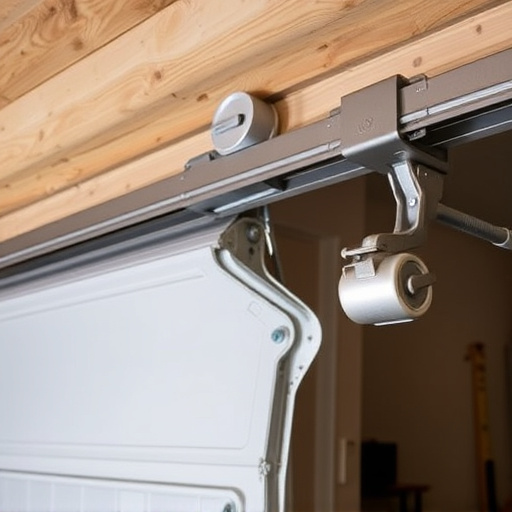
Garage door tracks and rollers are among the most critical components of your overhead door system. When these elements fail, it can lead to safety hazards and costly repairs. Understanding the common causes of broken garage door tracks and rollers is essential for both homeowners and property managers. Extreme temperatures, such as prolonged exposure to intense heat or freezing cold, often accelerate wear and tear on these parts. For instance, during winter, salt and ice buildup in tracks can cause rust, while summer’s high temperatures may lead to accelerated metal fatigue.
Another significant contributor is regular use, especially in busy households or commercial settings where doors are opened and closed frequently. The constant cycling can weaken rollers and tracks over time. Neglecting regular maintenance, such as lubricating roller hinges and ensuring proper alignment of tracks, can also accelerate damage. For example, a study by the National Safety Council found that poorly maintained garage doors were involved in thousands of injuries annually, many related to broken tracks or rollers.
Preventing future track breakage starts with proactive care. Regular inspections by local professionals like Garage Door Safety Inspections can identify issues early. Maintaining proper temperature control in garages and using weather-resistant lubricants on rollers are effective strategies. Should tracks or rollers fail, it’s crucial to seek professional repair for broken rollers promptly. Local experts offer guarantees on labor and parts, ensuring peace of mind—a 1-3 times guarantee is typical, offering significant protection for homeowners and businesses alike.
Diagnosing Track Problems: Signs to Watch For
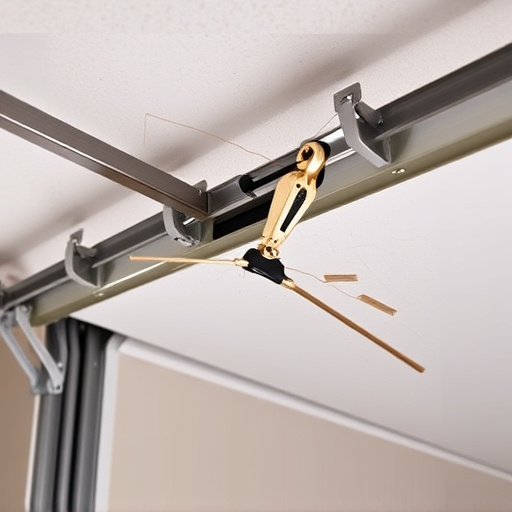
Garage door tracks are often overlooked components of your home’s automatic entry system. However, they play a crucial role in the smooth operation of your garage doors, and their failure can result in significant headaches for homeowners. Understanding common causes of broken garage door tracks is the first step toward maintaining a hassle-free experience. The most frequent issues stem from worn-out rollers, misaligned tracks, or track debris accumulation—all of which can be easily overlooked during regular maintenance checks.
Signs that your garage door tracks are in need of attention include unusual noises during operation, doors that stick or rub against the frame, and visible damage to the track itself. For example, a rusted or bent track may indicate exposure to harsh weather conditions or inadequate lubrication. These problems compound over time, leading to more serious consequences if left unaddressed—from reduced door performance to complete malfunction. Regular visual inspections can help catch these issues early on.
When faced with suspected track problems, it’s essential to turn to Oro Valley’s trusted garage door pros for a professional assessment of track health. Our experts at Commercial Overhead Door Service have seen countless cases where timely intervention could have prevented costly repairs or replacement. We recommend inspecting the tracks and rollers 1-3 times annually, depending on usage and environmental factors. A comprehensive evaluation includes lubricating worn parts, realigning misaligned tracks, and replacing damaged sections or components. By taking these proactive measures, you can extend the life of your garage door system and avoid unexpected breakdowns.
Repairing and Replacing Garage Door Tracks
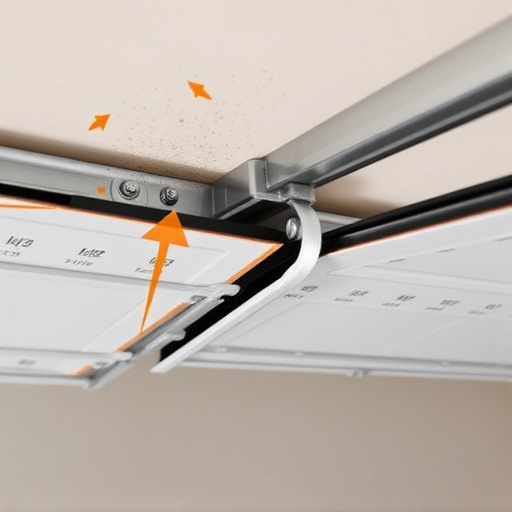
Garage door tracks are often overlooked until they cause significant issues, at which point the problem becomes obvious: broken garage door tracks and rollers. Understanding common causes is key to preventative maintenance. Animal nests blocking tracks, for instance, can lead to tracks bending or becoming misaligned, putting excessive strain on the system. Similarly, sunlight fading plastic parts over time—a particular concern in Marana’s diverse climate—can weaken track components, making them more susceptible to damage and eventually requiring replacement.
When tracking signs of distress, look out for unusual noises, like squeaking or grinding, indicating worn rollers. If your garage door is uneven or struggles to fully open or close, it may be a stark reminder that your tracks and rollers need attention. Regular maintenance can extend the lifespan of these components, but even with careful care, replacement eventually becomes necessary. Local specialists in roller replacement and track repair are equipped to handle such issues, offering top-rated services tailored to each unique case.
Emergency Garage Door Repair Tucson stands out among local providers, renowned for addressing broken tracks swiftly and efficiently. With a deep understanding of the region’s environmental challenges, our team is prepared to deal with the specific causes of track damage in Marana homes and businesses. Don’t let preventable issues escalate; recognize signs your rollers need replacing, and reach out to professionals who can ensure your garage door operates smoothly for years to come.
Maintaining Tracks for Longevity: Tips & Best Practices
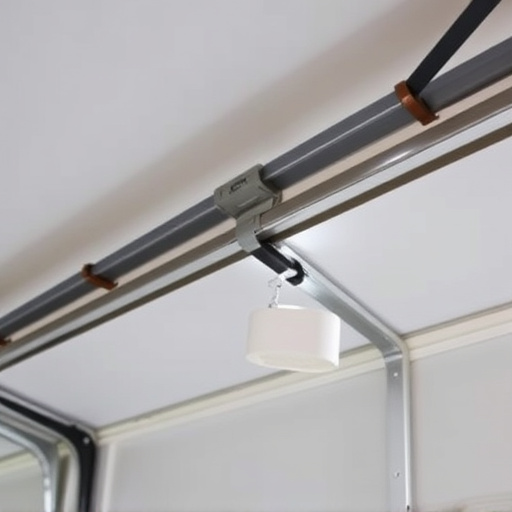
Garage door tracks are often overlooked when it comes to maintenance, but keeping them in top condition is essential for smooth operation and longevity. The common causes of broken garage door tracks and rollers include prolonged use, weather exposure, and inadequate lubrication. In particular, winter salt corrosion on tracks can accelerate wear and tear, making regular cleaning a vital practice. It’s recommended to perform garage door safety checks at least once a year to identify any potential issues early on.
One of the key track replacement tips from locals is to be proactive. Regular inspection allows for the early detection of minor problems that can be easily rectified. For instance, small misalignments or loose tracks can lead to bigger breakdowns if left unattended. Many professionals suggest cleaning the tracks and rollers with a brush and mild detergent at least once every few months, especially in areas prone to salt buildup during winter. This simple step can significantly extend the life of your garage door system.
In addition to regular maintenance, proper installation is crucial. Garage door safety inspections by certified professionals are recommended to ensure the tracks are correctly aligned and balanced. These experts can also provide guidance on the best track replacement tips tailored to your specific needs. Remember, neglecting track maintenance not only leads to costly repairs but may also impact the overall safety of your garage door operation. So, find us at Garage Door Safety Inspections and take proactive steps to keep your tracks in tip-top shape.
By understanding the essential role garage door tracks and rollers play in smooth operation, readers now grasp the common causes behind their breakage—a primary concern for many homeowners. The article has equipped them with valuable knowledge on identifying track problems through observable signs, offering a clear path for effective repair and replacement strategies. Moreover, the best practices highlighted for track maintenance emphasize proactive care, ensuring longevity and avoiding frequent repairs. Armed with these insights, readers can confidently tackle minor issues and make informed decisions regarding professional assistance when needed, ultimately enhancing garage door reliability and safety.